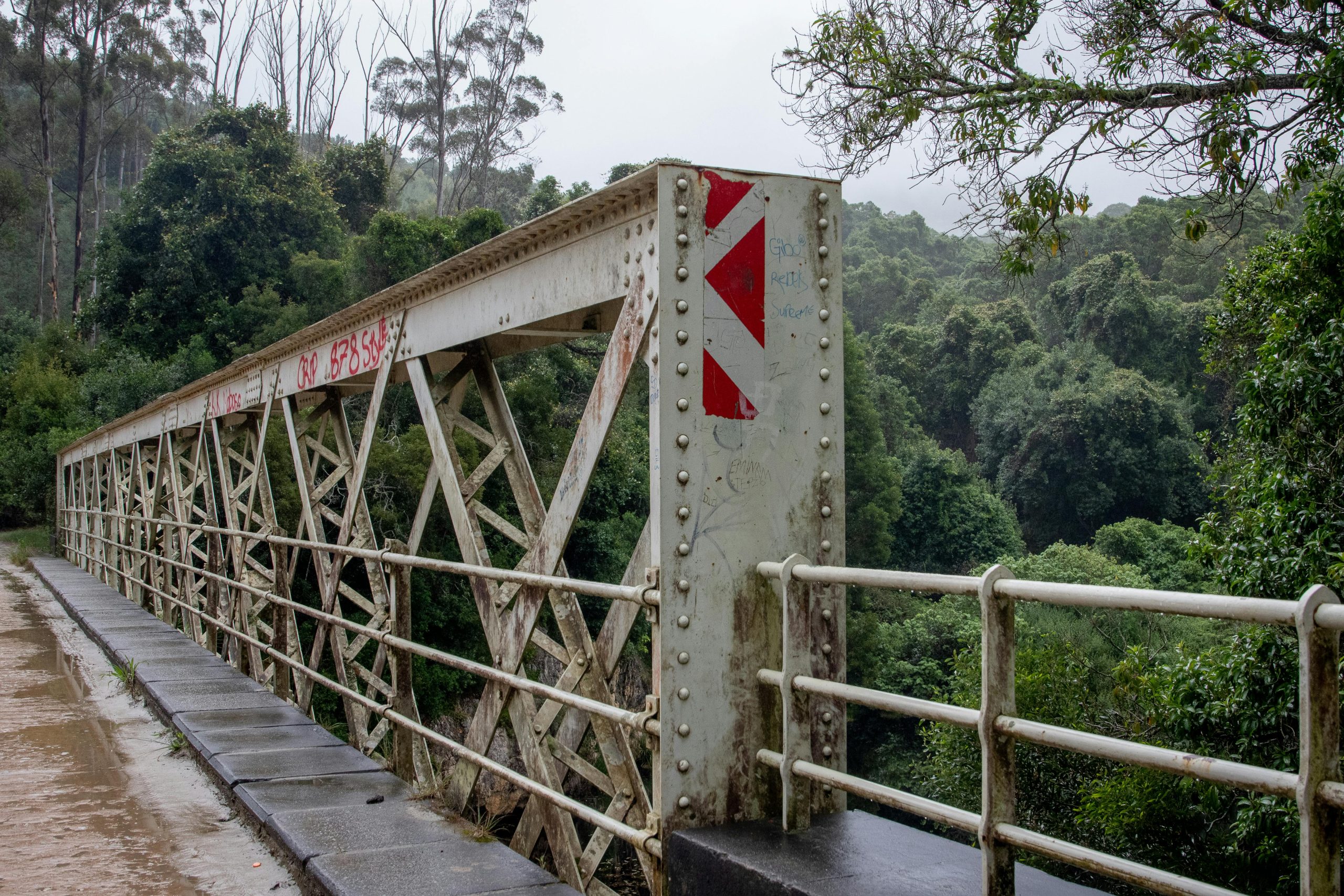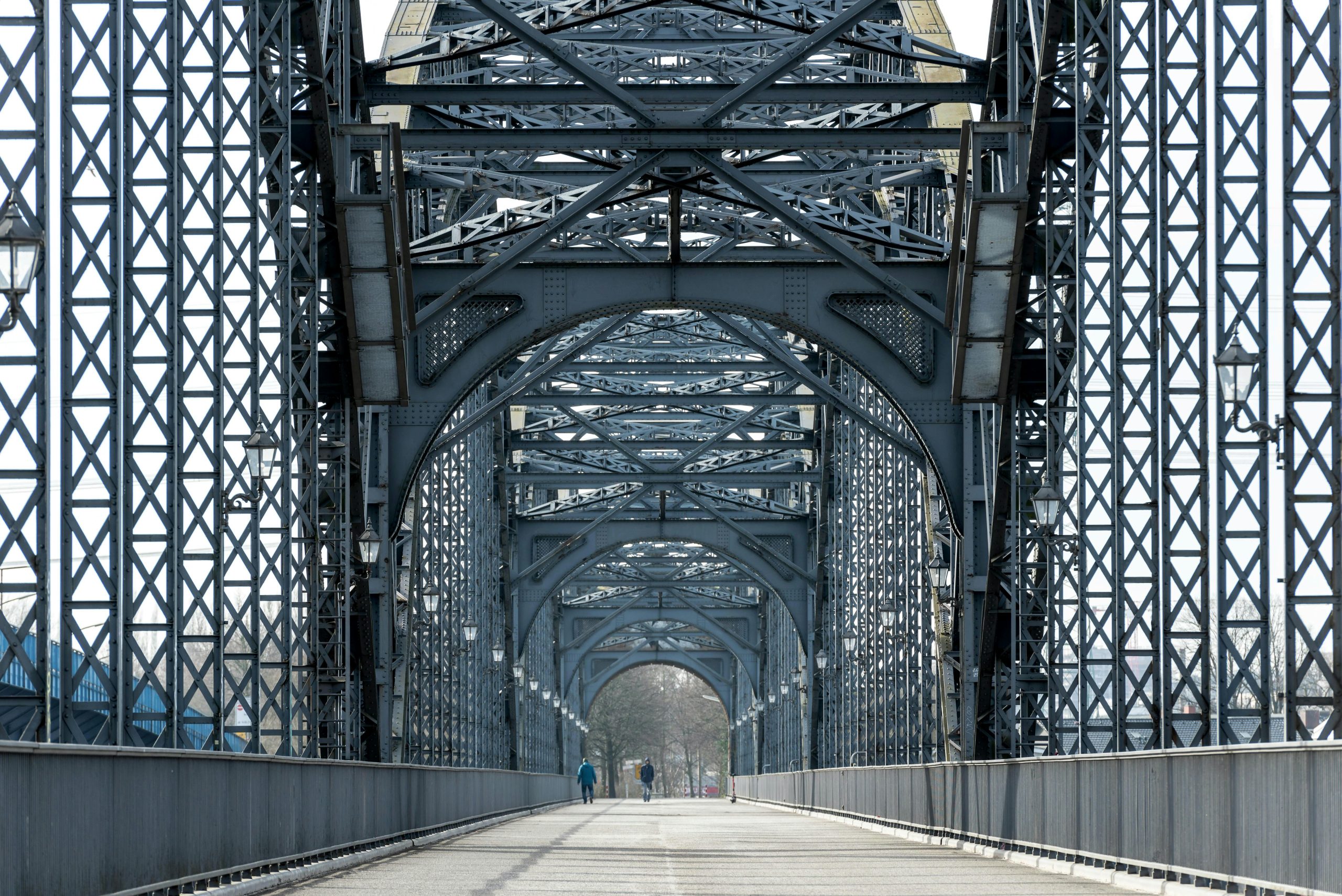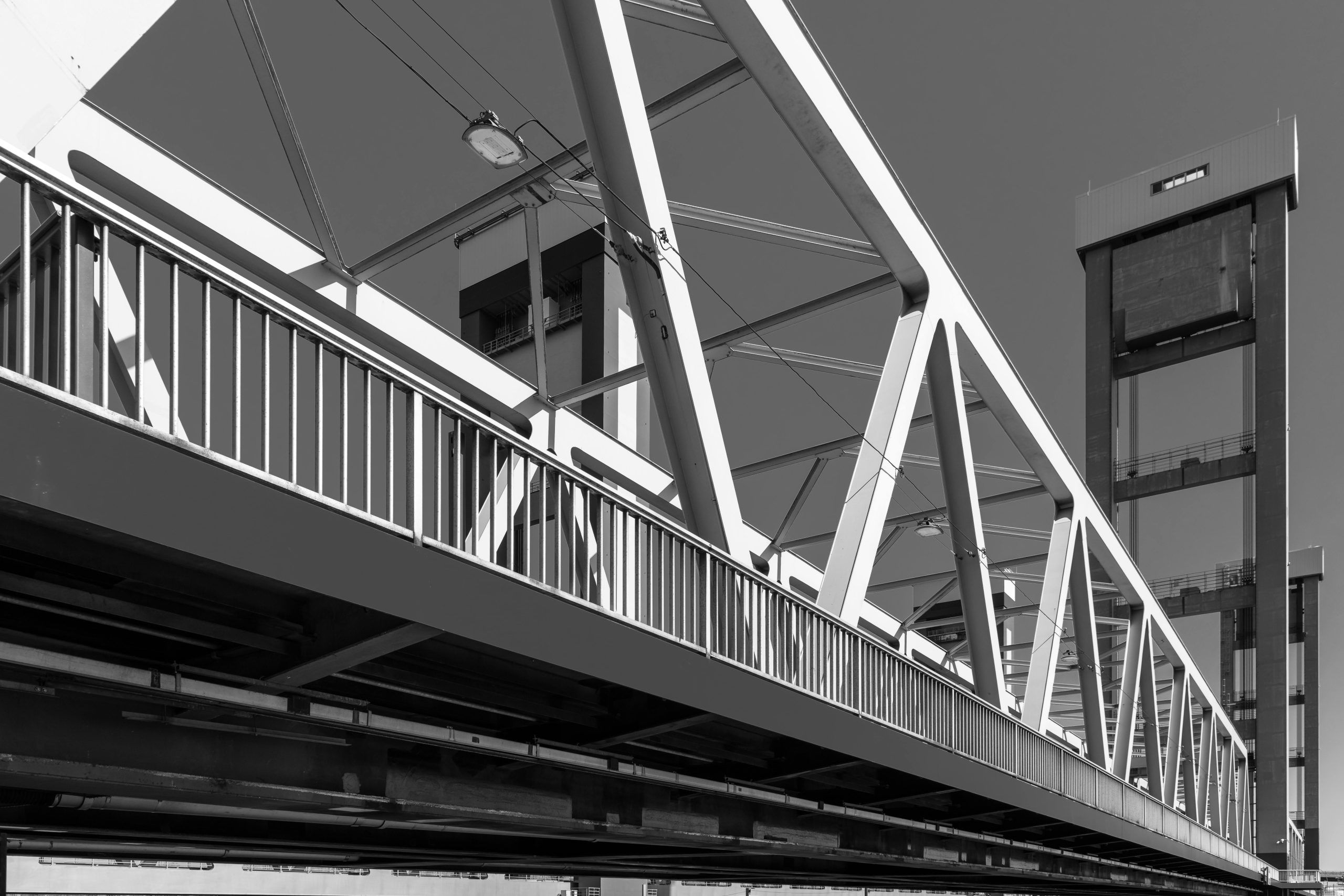
Tag: structural engineering

  • Custom Steel Construction Trusses:  Built to Your Specifications

    Custom Steel Construction Trusses: Built to Your Specifications

    Custom Steel Construction Trusses: Built to Your Specifications

    Executive Summary

    This comprehensive guide explores the world of custom steel construction trusses, offering invaluable insights for architects, engineers, builders, and anyone involved in structural projects. We’ll delve into the advantages, design process, material selection, installation, and maintenance of these robust and versatile structural elements. Whether you’re building a small residential addition or a large-scale commercial structure, understanding the intricacies of custom steel trusses is crucial for ensuring a successful and long-lasting project. We’ll answer frequently asked questions and highlight key considerations to help you make informed decisions throughout the entire process. This guide is designed to be your go-to resource for all things related to custom steel construction trusses, providing you with the knowledge you need to make the best choices for your project.

    Introduction

    Steel construction trusses represent a pinnacle of structural engineering, offering unparalleled strength, durability, and design flexibility. Unlike pre-fabricated options, custom steel trusses are engineered to meet the precise specifications of your individual project. This bespoke approach ensures optimal performance, minimizes material waste, and allows for creative design solutions that might not be possible with off-the-shelf alternatives. This guide will walk you through the process, clarifying the advantages and considerations involved in choosing custom steel trusses for your next project.

    Frequently Asked Questions

    Q: What are the advantages of choosing custom steel trusses over pre-engineered options?

    A: Custom steel trusses offer superior design flexibility to accommodate unique architectural designs and load requirements. They also typically result in optimized material usage, reducing waste and cost. Furthermore, custom trusses provide a higher degree of precision and control over the final product.

    Q: How long does the design and fabrication process typically take?

    A: The timeframe varies depending on the complexity of the project and the manufacturer’s workload. Generally, you can expect the entire process, from initial design consultation to final delivery, to take anywhere from 2 to 8 weeks. It’s crucial to discuss timelines with your chosen fabricator early in the planning stages.

    Q: What kind of maintenance do steel trusses require?

    A: Steel trusses are remarkably low-maintenance. Regular inspections for signs of corrosion or damage are recommended, especially in harsh environments. A protective coating, such as paint or galvanization, can significantly extend the lifespan of the trusses and prevent rust. Minor repairs, if needed, are typically straightforward.

    Design and Engineering

    Custom steel trusses aren’t simply slapped together; they’re the product of meticulous design and engineering. This phase is critical to ensure the structural integrity and longevity of your project.

    Detailed Load Calculations: Engineers precisely calculate the expected loads on the structure, accounting for factors like snow, wind, and the weight of the building materials. This ensures the trusses are sufficiently strong to support the intended weight.

    Material Selection: The choice of steel grade is paramount. Higher-grade steel offers greater strength but can also be more expensive. Engineers select the optimal grade based on the project’s specific load requirements and budget considerations.

    Computer-Aided Design (CAD): Modern design utilizes advanced CAD software to create detailed 3D models of the trusses. This allows for precise visualization and analysis, helping to identify potential issues before fabrication begins.

    Stress Analysis: Sophisticated software analyzes the stresses on the truss members under various load conditions. This ensures that the design is safe, efficient, and meets all relevant building codes.

    Connection Details: The design meticulously specifies how the trusses will be connected to other structural elements. These connections are crucial for transferring loads effectively and ensuring the stability of the entire structure.

    Detailed Drawings and Specifications: The final design is documented with highly accurate drawings and specifications that guide the fabrication process. These documents are essential for ensuring consistent quality and accuracy throughout manufacturing and installation.

    Material Selection and Fabrication

    The choice of steel and the fabrication process are key factors impacting the quality, durability, and cost of custom steel trusses.

    Steel Grade Selection: Various steel grades offer different yield strengths, making it vital to select the appropriate grade for the intended load and environmental conditions. Higher yield strength steel often translates to lighter and more cost-effective trusses.

    Corrosion Protection: Protecting the steel from corrosion is essential for longevity. Common methods include galvanization (a zinc coating) or painting with specialized rust-inhibiting paints.

    Fabrication Process: State-of-the-art fabrication techniques ensure precision and accuracy in cutting, welding, and assembling the truss members. Experienced welders and quality control procedures are crucial to maintain high standards.

    Quality Control: Rigorous quality control checks are implemented throughout the fabrication process to ensure compliance with design specifications and building codes. This includes checks for weld integrity, dimensions, and overall structural soundness.

    Finishing Touches: Depending on the project’s aesthetic requirements, the finished trusses may undergo additional treatments, such as powder coating, to enhance their appearance and durability.

    Installation and Erection

    Proper installation is paramount to ensure the structural integrity and longevity of the custom steel trusses.

    Site Preparation: Adequate site preparation is crucial, including ensuring a stable foundation and a safe work environment. The exact specifications for site preparation will be dictated by the load calculations and the specific design requirements.

    Lifting and Handling: Specialized equipment, such as cranes, is typically necessary to lift and position the trusses accurately. Careful handling prevents damage and ensures safe installation.

    Connections: Secure and accurate connections between the trusses and other structural components are vital. Properly sized and installed connectors ensure load transfer and structural stability.

    Inspection: Thorough inspections throughout the installation process are crucial to ensure that the trusses are installed correctly and meet the design specifications.

    Compliance with Building Codes: All installation procedures must comply with relevant building codes and regulations to ensure the safety and structural integrity of the project.

    Maintenance and Longevity

    While steel trusses are inherently durable, regular maintenance contributes significantly to their longevity.

    Regular Inspections: Periodic inspections help detect any signs of corrosion, damage, or loose connections. These inspections should be conducted according to recommended schedules specified in design documents.

    Corrosion Control: Addressing signs of corrosion promptly prevents further deterioration. Repair work may involve cleaning, repainting, or even replacing damaged sections.

    Connection Checks: Regular checks ensure that all connections remain tight and secure. Loose connections can compromise structural integrity and should be addressed immediately.

    • Environmental Factors: Consider the environmental conditions. If the trusses are exposed to harsh conditions, more frequent inspections and maintenance might be necessary.

    Conclusion

    Custom steel construction trusses provide a compelling solution for projects demanding strength, durability, and design flexibility. While the initial investment might seem higher than pre-engineered options, the long-term benefits, including optimized material usage, reduced maintenance, and the ability to meet precise project needs, significantly outweigh the initial costs. By understanding the design process, material considerations, installation procedures, and maintenance requirements, you can ensure a successful project and a long-lasting, structurally sound building. Remember to always consult with experienced engineers and contractors to navigate the intricacies of custom steel truss design and implementation.

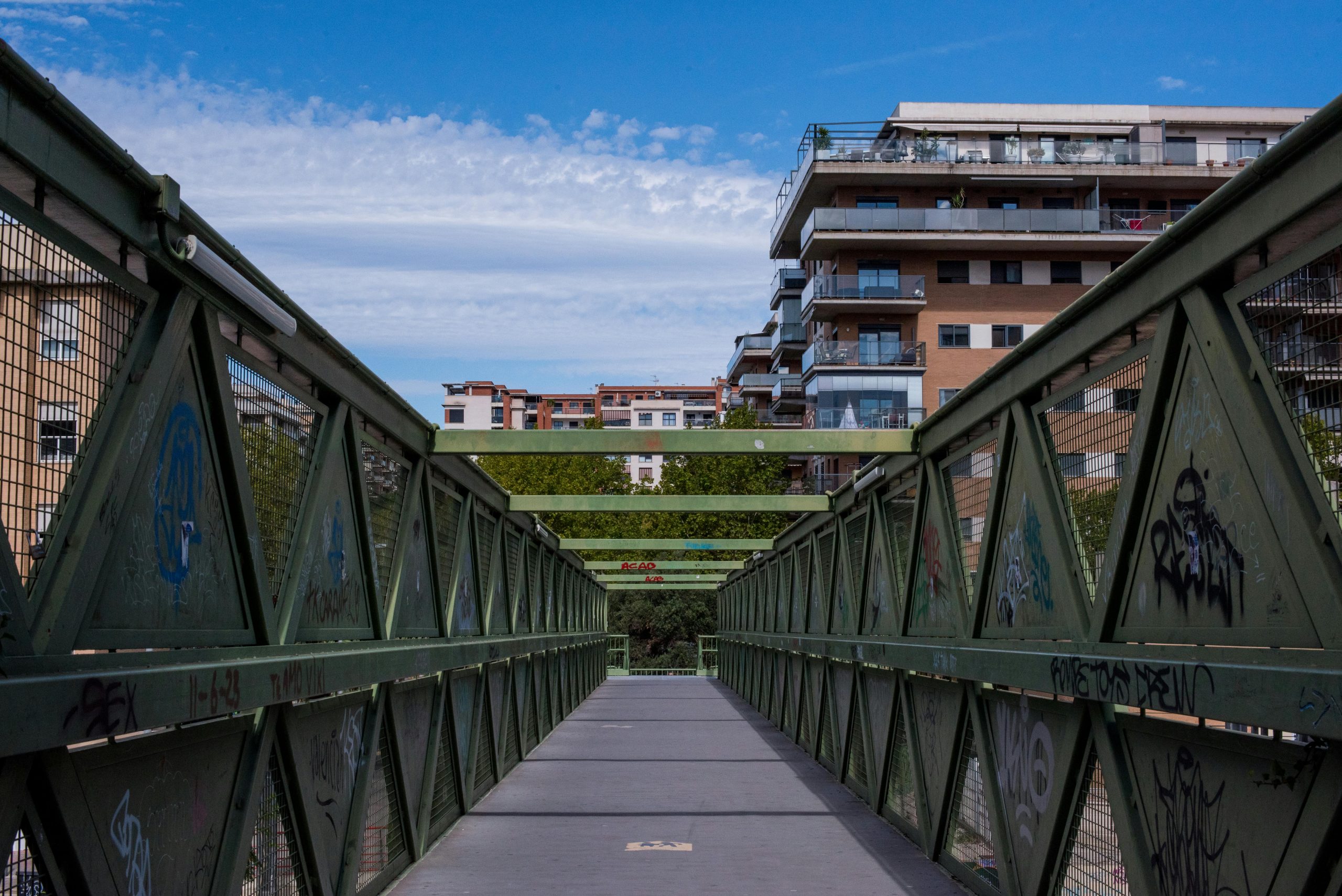
    steel trusses, custom steel construction, structural engineering, truss design, steel fabrication

  • Reliable Steel Construction Trusses: Get a Free Quote Today

    Reliable Steel Construction Trusses: Get a Free Quote Today

    Executive Summary

    This comprehensive guide delves into the world of reliable steel construction trusses, exploring their advantages, applications, and the importance of choosing a reputable supplier. We’ll cover crucial aspects like design considerations, material selection, installation processes, and cost-effectiveness. By the end, you’ll be equipped to make informed decisions when selecting steel trusses for your next construction project, and you’ll be able to confidently request a free quote from a trusted provider. We aim to provide you with the information needed to outperform your competition and build structures that are strong, safe, and sustainable. This guide will help you navigate the complexities of steel truss selection and ensure you make the right choice for your project.

    Introduction

    Steel construction trusses offer an unparalleled combination of strength, durability, and cost-effectiveness for a wide range of construction projects. From residential homes to large-scale industrial buildings, these engineered structures provide the necessary support and structural integrity required for any project. Understanding the intricacies of steel trusses, however, is key to selecting the right product for your needs. This guide aims to simplify the process, offering valuable insights and information to help you make informed decisions, ultimately saving you time, money and potential headaches down the road. Choosing the right truss is paramount to ensuring a successful project.

    Frequently Asked Questions

    Q: What are the benefits of using steel trusses over other materials?

    A: Steel trusses offer superior strength-to-weight ratios compared to wood or concrete, allowing for larger spans and reduced material costs. They are also highly resistant to fire, pests, and rot, leading to longer lifespans and reduced maintenance. Steel trusses are also readily available and can be fabricated to meet precise specifications.

    Q: How do I determine the right size and type of steel truss for my project?

    A: The selection process depends heavily on several factors including the span length, load requirements, and the overall design of the structure. A structural engineer will perform the necessary calculations to determine the appropriate size, type, and configuration of trusses needed to meet specific building codes and safety requirements. It’s crucial to consult with a professional for this critical step.

    Q: How much do steel trusses typically cost?

    A: The cost of steel trusses varies depending on factors such as size, complexity, and the quantity ordered. However, it’s worth noting that the long-term benefits, including lower maintenance and extended lifespan, frequently outweigh the initial cost. Requesting multiple quotes from reputable suppliers is advisable to find the best possible price.

    Design Considerations

    The design phase is critical in ensuring the success and longevity of your project. A well-designed truss system will provide optimal performance, minimizing potential issues.

    Structural Engineering: Always engage a qualified structural engineer to design your truss system. They will perform the necessary calculations to ensure the trusses meet all relevant building codes and safety regulations. This ensures structural integrity and avoids costly mistakes later on.

    Load Calculations: Accurate load calculations are paramount. These calculations take into account dead loads (the weight of the structure itself), live loads (occupancy, snow, etc.), and wind loads. Overlooking these calculations can compromise structural integrity.

    Span Length: The distance between supports significantly influences the size and type of truss required. Longer spans necessitate larger and more robust trusses to maintain adequate strength.

    Material Selection: The grade of steel used affects both strength and cost. Choosing the appropriate grade is essential to balancing performance with budget considerations. Always ensure the chosen steel meets the required standards for strength and durability.

    Connection Details: Proper connection details are crucial for transferring loads effectively throughout the truss system. Using appropriate connectors and ensuring they’re correctly installed is non-negotiable for a safe and stable structure.

    Corrosion Protection: To maximize lifespan, select steel that is adequately protected against corrosion. Galvanization or other protective coatings are essential, especially in environments prone to moisture or harsh weather conditions.

    Material Selection

    Selecting the right steel for your trusses is a crucial decision impacting the longevity and structural integrity of your project.

    Steel Grade: The grade of steel directly relates to its strength and yield point. Higher-grade steel offers superior strength but may be more expensive. Balancing cost with structural needs is a key consideration here.

    Thickness: The thickness of the steel members determines their load-bearing capacity. Thicker members provide greater strength, but also add to the overall weight and cost.

    Surface Treatment: Protecting against corrosion is vital. Galvanization is a popular choice offering excellent protection against rust and degradation.

    Testing and Certification: Choosing steel from reputable sources ensures that the material meets required standards and has undergone proper testing. Certifications guarantee quality and reliability.

    Sustainability: Consider the environmental impact of your steel selection. Using recycled steel reduces environmental impact while offering economic benefits.

    Supplier Reputation: Selecting a reliable supplier ensures consistent quality and timely delivery.

    Installation Processes

    Proper installation is essential for maximizing the lifespan and performance of your steel trusses.

    Site Preparation: A level and properly prepared site is vital for accurate and efficient installation. Improper preparation can lead to alignment issues and compromises the structural integrity.

    Lifting and Handling: The safe and efficient lifting and handling of trusses is critical, typically requiring specialized equipment like cranes. Proper rigging and safety precautions are paramount.

    Alignment and Connection: Precise alignment of trusses is essential for effective load transfer. Connections between the trusses and supporting structures need to be perfectly implemented.

    Inspection: Regular inspection during installation is key to identifying and rectifying any potential issues early on, ensuring the structural integrity is maintained at every stage.

    Quality Control: A qualified team should carry out the installation to ensure adherence to the design specifications. Adherence to standards is crucial.

    Final Inspection: A final inspection of the completed truss system validates correct alignment and proper connections. This final check confirms the structure’s readiness for further construction stages.

    Cost-Effectiveness

    While the initial investment in steel trusses might appear significant, the long-term cost benefits are compelling.

    Reduced Material Costs: Steel trusses frequently utilize less material than alternative structures. This reduction translates to lower material costs during construction.

    Faster Construction: The prefabrication of steel trusses allows for faster installation times, leading to reduced labor costs and a faster project completion.

    Lower Maintenance: Steel trusses require minimal maintenance, unlike wood trusses, which are susceptible to rot, insect infestations, and require regular treatment.

    Increased Lifespan: The durability and resistance to degradation ensure a significantly longer lifespan compared to other materials. This translates into substantial long-term savings.

    • Improved Efficiency: The superior strength-to-weight ratio allows for the use of thinner members, reducing material costs and lowering transportation expenses.

    Conclusion

    Choosing reliable steel construction trusses is a critical decision that influences the strength, safety, and longevity of your project. By understanding the design considerations, material selection, installation processes, and cost-effectiveness, you can make informed choices that will ultimately save you time, money, and reduce potential risks. Remember to always consult with a qualified structural engineer, select a reputable supplier, and ensure proper installation procedures are followed. This investment will translate into a structure that is not only strong and durable but also delivers exceptional value over its extended lifespan. The peace of mind provided by a robust and well-constructed structure is invaluable.

    steel trusses, construction, structural engineering, design considerations, cost-effectiveness

  • Custom Steel Trusses: Engineered to Your Needs

    Custom Steel Trusses: Engineered to Your Needs

    Executive Summary

    Are you looking for a robust, reliable, and cost-effective solution for your structural needs? Look no further than custom steel trusses. This comprehensive guide explores the world of custom steel truss design and fabrication, covering everything from the initial design process to the final installation. We’ll delve into the benefits of choosing custom steel trusses, address frequently asked questions, and highlight key considerations for successful project implementation. Whether you’re a seasoned contractor or a homeowner tackling a DIY project, this guide will equip you with the knowledge you need to make informed decisions about your steel truss needs. Prepare to discover how custom steel trusses can provide the perfect structural solution for your unique project requirements.

    Introduction

    Steel trusses offer unparalleled strength and versatility for a wide range of applications. From sprawling industrial buildings to elegant residential additions, custom steel trusses provide a tailored solution that maximizes efficiency and minimizes material waste. Unlike off-the-shelf options, custom steel trusses are engineered precisely to your specifications, ensuring optimal performance and longevity. This means you get a structure perfectly suited to your project’s unique load requirements and aesthetic preferences, resulting in a superior final product. This guide will help you navigate the process of designing and implementing your custom steel truss project, empowering you to make informed decisions and achieve exceptional results.

    Frequently Asked Questions

    Q1: How much do custom steel trusses cost?

    The cost of custom steel trusses varies significantly based on factors like the truss size, complexity of the design, the grade of steel used, and the overall project scope. Obtaining multiple quotes from reputable fabricators is crucial to securing competitive pricing. Remember, while initial costs might seem higher compared to readily available options, the long-term benefits, including durability and reduced maintenance, often outweigh the initial investment.

    Q2: How long does it take to get custom steel trusses fabricated?

    Lead times for custom steel truss fabrication depend on several variables, including the complexity of the design, the fabricator’s workload, and the availability of materials. It’s essential to discuss timelines with your chosen fabricator early in the design process to ensure that your project stays on schedule. Accurate planning and clear communication are crucial to avoid delays. Inquire about their current backlog and typical lead times to avoid any unpleasant surprises.

    Q3: What kind of engineering is involved in custom steel truss design?

    Custom steel truss design requires specialized engineering expertise. Engineers use sophisticated software to analyze load requirements, material properties, and other critical factors. The design process ensures that the trusses meet stringent safety standards and building codes. You will need to work closely with a structural engineer to ensure your design is both sound and compliant with all relevant regulations. This collaboration is key for a successful and safe project.

    Design Considerations

    Designing custom steel trusses requires careful consideration of several critical factors to ensure structural integrity and optimal performance. Overlooking even minor details can lead to costly mistakes. This process necessitates close collaboration between architects, engineers and fabricators to ensure a cohesive and effective result. Effective communication and collaboration are crucial throughout the entire process.

    Load Calculations: Accurate load calculations are paramount. This involves determining the anticipated weight the truss will bear, considering factors such as snow, wind, and the weight of the structure itself. Incorrect calculations can compromise the structural integrity of the entire building.

    Material Selection: Choosing the right grade of steel is vital. This depends on the intended application, anticipated loads, and environmental factors. Higher-grade steels offer increased strength and durability but might come at a higher cost.

    Span and Height: The span (distance between supports) and height of the truss significantly influence its design and material requirements. Larger spans generally demand stronger and more complex trusses.

    Connection Details: The way individual members of the truss are connected is critical. Proper connection design ensures load transfer and overall stability. Weak connections are a common point of failure in poorly designed trusses.

    Corrosion Protection: Protecting the steel from corrosion is crucial for longevity. This often involves using protective coatings or galvanization to extend the lifespan of the structure and reduce maintenance needs.

    Building Codes and Regulations: Ensure your design fully complies with all relevant building codes and regulations. Non-compliance can lead to project delays, costly revisions, and even safety risks.

    Fabrication and Installation

    Once the design is finalized, the fabrication process begins. This involves precise cutting, shaping, and welding of the steel components. The fabrication stage demands precision and expertise to ensure the truss meets the design specifications. Quality control measures are implemented throughout this phase to guarantee accuracy and structural soundness.

    Precision Cutting and Shaping: High-precision cutting and shaping techniques ensure the members fit together perfectly, maximizing strength and minimizing gaps.

    Welding Procedures: The welding process is crucial, requiring skilled welders to ensure strong, reliable connections. Inspections verify the quality and integrity of each weld.

    Quality Control: Rigorous quality control checks are carried out throughout the fabrication process to ensure the finished product conforms to the design specifications and relevant safety standards.

    Surface Treatment: Applying protective coatings or galvanization to protect against corrosion is essential for long-term performance.

    Transportation and Handling: Proper transportation and careful handling prevent damage during transit and installation.

    Installation Procedures: The installation must be executed by experienced professionals, adhering to stringent safety procedures. Accurate placement and secure fastening are critical for structural integrity.

    Material Considerations

    The selection of appropriate steel grades and other materials significantly impacts the performance and longevity of your custom steel trusses. Understanding the differences in material properties and their implications is crucial for making informed decisions.

    Steel Grades: Different steel grades possess varying strengths, yield points, and other characteristics that dictate their suitability for specific applications. High-strength low-alloy (HSLA) steels offer excellent strength-to-weight ratios.

    Connectors: The type of connectors used influences the overall strength and stability of the truss system. High-strength bolts and welds are common choices.

    Protective Coatings: Various protective coatings, such as paints, galvanization, or powder coatings, are available to safeguard the steel against corrosion. The choice depends on factors like the environmental conditions and desired lifespan.

    Other Components: Other materials might be integrated into the truss system, depending on the design, such as wood or concrete components for support or attachment points.

    Sustainability: Consider the environmental impact of materials. Using recycled steel and sustainable coating options can lessen the project’s environmental footprint.

    Cost Analysis: Balance the cost of different materials against their performance and longevity. A more expensive material might be justified if it results in significant long-term cost savings due to increased durability and reduced maintenance.

    Common Applications

    Custom steel trusses find applications in various sectors, each with unique requirements. Understanding these applications provides insight into the versatility and adaptability of this structural solution.

    Industrial Buildings: In industrial settings, custom steel trusses support heavy loads and large spans, vital for warehouses, factories, and other industrial structures.

    Commercial Buildings: Steel trusses are used in commercial constructions like shopping malls, office buildings, and retail spaces, offering robust structural support.

    Residential Construction: Custom steel trusses provide strong, lightweight roofing structures for homes, reducing the need for multiple supporting beams and creating open interior spaces.

    Agricultural Structures: In agriculture, custom steel trusses are used in barns, greenhouses, and other agricultural buildings, providing durable and weather-resistant structures.

    Bridge Construction: Steel trusses are a cornerstone of bridge construction, allowing the creation of long spans with relatively lightweight structures.

    Renovation and Retrofits: Custom steel trusses can be integrated into renovation and retrofit projects to strengthen existing structures or to create new load-bearing elements.

    Conclusion

    Investing in custom steel trusses is an investment in durability, reliability, and efficiency. By carefully considering the design parameters, material selection, fabrication process, and installation procedures, you can ensure a structure that meets your precise needs. Remember, the expertise of structural engineers and experienced fabricators is crucial for a successful project. The result is a structure that offers both strength and aesthetic appeal, providing long-term value and exceeding your expectations. Don’t settle for less than the best; choose the precision and power of custom steel trusses.

    steel trusses, custom design, structural engineering, fabrication, installation

  • Steel Truss Structures: Reliable & Cost-Effective

    Steel Truss Structures: Reliable & Cost-Effective

    Executive Summary

    Steel truss structures offer a compelling blend of strength, durability, and cost-effectiveness, making them ideal for a wide range of applications. This comprehensive guide delves into the key aspects of steel truss design, construction, and applications, highlighting their advantages and providing valuable insights for those considering this robust structural solution. From understanding the fundamental principles of truss design to exploring specific applications and addressing common concerns, we aim to equip you with the knowledge necessary to make informed decisions about incorporating steel trusses into your projects. We’ll explore the reasons why steel trusses consistently outperform other structural systems in terms of both longevity and value for money. This guide serves as a definitive resource for anyone interested in learning more about the versatility and enduring appeal of steel truss structures.

    Introduction

    Steel truss structures are becoming increasingly popular due to their remarkable strength-to-weight ratio, versatility, and cost-effectiveness. These structures, characterized by their triangular framework, efficiently distribute loads, resulting in robust and reliable constructions suitable for various applications, from bridges and roofs to industrial buildings and even temporary structures. Understanding their advantages and limitations is crucial for making informed decisions about their use in various projects. This article will explore the key factors that make steel trusses a preferred choice for many construction projects.

    Frequently Asked Questions

    Q: What are the main advantages of steel truss structures compared to other building materials?

    A: Steel trusses offer superior strength and weight-bearing capacity compared to wood or concrete, often leading to lighter structures and reduced foundation costs. Their prefabricated nature also speeds up construction and reduces on-site labor. Furthermore, steel is incredibly durable and resists many forms of environmental damage, leading to extended lifespans.

    Q: How much does a steel truss structure cost?

    A: The cost of a steel truss structure varies greatly depending on factors like size, complexity, material grade, and labor costs. However, generally, steel trusses are a very competitive option in terms of overall cost, especially considering their long lifespan and low maintenance needs. Detailed cost estimates should be obtained from structural engineers based on your project’s specific requirements.

    Q: What types of maintenance do steel truss structures require?

    A: Steel trusses require minimal maintenance, primarily focused on regular inspections for corrosion and damage. A protective coating like paint or galvanizing can significantly extend the structure’s lifespan and reduce the need for frequent repairs. Periodic inspections by qualified professionals are crucial for early detection of any potential issues.

    Design Considerations

    Steel truss design is a complex process requiring the expertise of structural engineers. The design must account for various factors to ensure the structure’s safety and stability. These structures are engineered with precision, incorporating calculations to manage stress, strain and load distribution.

    Load Calculations: Accurate load calculations are paramount, accounting for dead loads (weight of the structure itself) and live loads (occupancy, snow, wind, etc.). Incorrect estimations can lead to structural failure.

    Material Selection: Choosing the appropriate steel grade is crucial, considering factors like strength, ductility, and cost. Higher strength grades are generally more expensive but offer greater load-bearing capacity.

    Connection Design: The design of connections between truss members is critical for transferring loads effectively. Properly designed connections ensure the integrity of the entire structure.

    Stability Analysis: Engineers perform stability analyses to ensure the structure can withstand various loading conditions without buckling or collapsing. This process involves sophisticated modeling and simulations.

    Fabrication Tolerances: Steel trusses are often prefabricated, so tolerances in fabrication must be carefully controlled to ensure accurate assembly on-site and to avoid structural imperfections.

    Corrosion Protection: Protecting the steel from corrosion is crucial for longevity. Coatings, galvanization, or other protective measures should be considered based on the environmental conditions.

    Construction & Erection

    The construction process for steel truss structures involves several key stages. Proper planning and execution are vital for a successful project. The careful assembly of the components is key to the structural integrity of the building.

    Site Preparation: Thorough site preparation is essential to ensure a level and stable foundation for the structure. This involves excavation, ground compaction, and foundation construction.

    Truss Fabrication: Trusses are typically fabricated off-site in a controlled environment, ensuring precision and quality control.

    Transportation & Handling: Safe and efficient transportation and handling of fabricated trusses are essential to prevent damage during delivery to the construction site.

    Erection: The erection process requires specialized equipment and skilled labor to lift and position the trusses accurately. Safety protocols must be strictly adhered to during this stage.

    Connection & Welding: Accurate connection and welding of truss members are crucial for transferring loads effectively. Qualified welders should perform these tasks to ensure the structural integrity of the connections.

    Inspection: Regular inspections throughout the construction process are critical to identify and rectify any potential problems promptly. This helps to prevent delays and ensure structural compliance.

    Applications of Steel Truss Structures

    Steel truss structures find wide applicability across numerous sectors due to their versatility and strength. Their use extends from industrial settings to residential, commercial, and agricultural contexts.

    Roof Structures: Steel trusses are extensively used in roofing systems for buildings of all sizes, providing efficient load distribution and spanning large distances.

    Bridges: They form the backbone of many bridge designs, effectively supporting heavy loads and spanning significant distances.

    Industrial Buildings: Steel trusses are a common choice for industrial buildings, offering strength, durability, and cost-effectiveness.

    Agricultural Structures: From barns to greenhouses, steel trusses provide robust and reliable structures for agricultural purposes.

    Temporary Structures: Their ease of assembly and disassembly makes them suitable for temporary structures, such as pavilions and stages.

    Residential Structures: While less common for the entire residential framework, steel trusses find uses in residential roofs, garages and other outbuildings.

    Maintenance & Repair

    Regular inspection and timely maintenance are crucial for extending the lifespan of a steel truss structure. Ignoring maintenance can lead to structural issues, ultimately impacting safety and longevity. Understanding maintenance requirements is part of responsible ownership of any steel truss construction.

    Inspection Schedule: A regular inspection schedule, ideally annually, is recommended to identify any signs of corrosion, damage, or deterioration. Qualified professionals should conduct these inspections.

    Corrosion Prevention: Applying protective coatings (paint, galvanizing) helps prevent corrosion. Regularly check for any signs of rust or paint chipping.

    Repair Strategies: Prompt repairs are necessary to address any identified damage. This could involve spot repairs, section replacements, or more extensive structural interventions.

    Environmental Factors: Consider environmental factors like humidity, temperature fluctuations, and exposure to corrosive agents when developing a maintenance plan.

    Documentation: Maintaining comprehensive documentation of inspections and repairs is crucial for tracking the structure’s condition and informing future maintenance decisions.

    • Professional Expertise: Engaging experienced professionals for inspections and repairs ensures the safety and integrity of the structure.

    Conclusion

    Steel truss structures represent a highly efficient, reliable, and economical solution for a vast array of structural applications. Their strength-to-weight ratio, prefabricated nature, and ease of assembly contribute to faster construction timelines and reduced labor costs. While initial investment might vary, the long-term benefits—including low maintenance requirements and extended lifespan—clearly establish steel trusses as a smart and durable choice for various projects. By understanding the design considerations, construction processes, and maintenance needs, you can leverage the numerous advantages of steel truss structures to create robust and cost-effective constructions. Proper planning, meticulous execution, and regular maintenance will contribute to the longevity and safety of these versatile and reliable structures.

    steel trusses, truss design, structural engineering, steel construction, building materials

  • Premium Steel Trusses: High-Strength & Durable

    Premium Steel Trusses: High-Strength & Durable

    Executive Summary

    This comprehensive guide delves into the world of premium steel trusses, exploring their unparalleled strength, durability, and versatility. We’ll examine the key factors contributing to their superior performance, addressing common questions and misconceptions. From understanding the manufacturing process to exploring various applications, this resource aims to equip you with the knowledge necessary to make informed decisions when choosing steel trusses for your next project. We’ll cover crucial aspects like design considerations, material specifications, and cost-effectiveness, ultimately demonstrating why premium steel trusses represent a smart investment for both residential and commercial construction.

    Introduction

    Steel trusses have revolutionized the construction industry, offering a lightweight yet incredibly strong solution for a wide range of applications. Their intricate design maximizes strength while minimizing material usage, resulting in cost-effective and efficient structures. This article will explore the benefits of choosing premium steel trusses, highlighting their superior quality, longevity, and ability to withstand extreme loads. Whether you’re a homeowner, contractor, or architect, understanding the advantages of premium steel trusses is vital for successful and long-lasting projects.

    Frequently Asked Questions

    Q: What is the difference between standard and premium steel trusses?

    A: Premium steel trusses utilize higher-grade steel alloys, more robust fabrication techniques, and stricter quality control measures. This leads to superior strength, corrosion resistance, and overall longevity compared to standard trusses.

    Q: How long do steel trusses typically last?

    A: With proper design, fabrication, and installation, premium steel trusses can last for decades, even under harsh environmental conditions. Their resistance to rot, insect infestation, and fire significantly extends their lifespan.

    Q: Are steel trusses more expensive than other options?

    A: While the upfront cost might be slightly higher compared to some materials, the long-term cost savings associated with reduced maintenance, increased durability, and a longer lifespan make premium steel trusses a highly cost-effective solution in the long run.

    Design Considerations

    Premium steel trusses are meticulously designed using sophisticated engineering software to ensure optimal performance and structural integrity. The design process considers various factors, from load-bearing requirements to aesthetic preferences.

    Load Calculations: Precise calculations determine the necessary size and strength of the trusses based on anticipated loads, including snow, wind, and live loads (e.g., people, furniture). Accuracy is paramount to ensure structural safety.

    Span Requirements: The design considers the distance the truss needs to span, directly influencing the truss’s geometry and member sizes. Longer spans necessitate more robust designs.

    Material Selection: Premium steel trusses utilize high-yield strength steel, offering exceptional strength-to-weight ratio. The specific grade of steel is selected based on the project’s requirements and environmental factors.

    Connection Design: The connections between truss members are critical for overall strength. Premium trusses use high-strength bolts or welds, ensuring secure and reliable connections.

    Corrosion Protection: Premium steel trusses often incorporate protective coatings such as galvanizing or painting to enhance their resistance to corrosion and extend their lifespan in various climates.

    Manufacturing Process

    The manufacturing of premium steel trusses involves a highly precise and automated process, ensuring consistency and quality. Modern fabrication facilities utilize advanced technology for optimal efficiency.

    Computer-Aided Design (CAD): The design is meticulously created using CAD software, ensuring accuracy and optimization of the truss geometry.

    Automated Cutting and Forming: High-precision cutting and bending machines shape the steel members to the exact specifications of the design, maintaining consistent dimensions.

    Welding and Bolting: Advanced welding and bolting techniques ensure the structural integrity of the connections between the truss members.

    Quality Control: Rigorous quality control measures are implemented throughout the manufacturing process to ensure that the final product meets the highest standards. This often includes inspections at various stages.

    Galvanization/Painting: Many manufacturers offer galvanization (a protective zinc coating) or painting as options to further protect the trusses from corrosion and environmental damage.

    Installation and Safety

    Proper installation is essential to maximize the benefits of premium steel trusses. Experienced professionals should always handle installation to guarantee safety and structural integrity.

    Professional Installation: Only qualified and experienced installers should handle the installation of steel trusses. Improper installation can compromise the structural integrity of the building.

    Safety Precautions: Adhering to strict safety procedures during installation is crucial to minimize risks. This includes the use of appropriate safety equipment and adherence to building codes.

    Lifting and Handling: Steel trusses can be heavy, necessitating the use of appropriate lifting equipment and techniques. Improper handling can lead to damage or injury.

    Connection to Other Structural Members: The connections between the trusses and other structural elements (walls, columns) must be secure and properly engineered. Failure to ensure proper connections can result in structural instability.

    Inspection and Compliance: Post-installation inspection by a qualified professional is recommended to ensure compliance with building codes and structural integrity.

    Applications of Premium Steel Trusses

    The versatility of premium steel trusses makes them suitable for a wide array of construction applications, from residential homes to large commercial structures.

    Residential Construction: Steel trusses are increasingly popular in residential construction, providing a cost-effective and durable solution for roofs and floors. Their lightweight nature makes them easier to handle and install.

    Commercial Buildings: In larger commercial structures, steel trusses offer superior strength and load-bearing capacity, ideal for warehouses, industrial buildings, and large-scale retail spaces.

    Agricultural Structures: Their durability and resistance to the elements make steel trusses a suitable option for barns, stables, and other agricultural buildings.

    Industrial Applications: The high strength and resistance to harsh conditions make them ideal for various industrial applications, such as supporting heavy machinery or providing structural support in manufacturing facilities.

    Bridge Construction: In certain scenarios, steel trusses can be used as structural components in smaller bridge projects, particularly in areas with less intense loading requirements.

    Conclusion

    Investing in premium steel trusses is a decision that prioritizes long-term value and structural integrity. Their superior strength, durability, and versatility make them a compelling choice for a diverse range of construction projects. While initial costs might be slightly higher, the significant cost savings associated with reduced maintenance, extended lifespan, and inherent strength far outweigh any initial investment. By understanding the key aspects outlined in this guide—from design considerations to installation procedures—you can harness the full potential of premium steel trusses and build structures that are both robust and resilient. The enhanced performance, longevity, and overall value provided by premium steel trusses make them a wise and enduring choice for any construction undertaking.

    steel trusses, premium steel, construction materials, structural engineering, building design

  • Steel Truss Design & Fabrication: Expert Solutions

    Steel Truss Design & Fabrication: Expert Solutions

    Executive Summary

    This comprehensive guide delves into the intricacies of steel truss design and fabrication, providing invaluable insights for engineers, contractors, and anyone involved in structural projects. We explore the critical aspects of design, fabrication, material selection, and quality control, emphasizing the importance of precision and adherence to industry best practices. From understanding the fundamental principles of truss mechanics to navigating the complexities of fabrication processes, this resource offers a holistic overview of this essential aspect of structural engineering. We aim to equip readers with the knowledge needed to make informed decisions, ensuring the safety, stability, and longevity of their steel truss structures. This guide will serve as a comprehensive resource, setting a benchmark for understanding and executing successful steel truss projects.

    Introduction

    Steel trusses are ubiquitous in construction, offering a robust and efficient solution for spanning large distances while minimizing material usage. Their inherent strength-to-weight ratio makes them ideal for various applications, ranging from roofs and bridges to industrial structures and support systems. This article explores the critical aspects of steel truss design and fabrication, providing a detailed overview of the processes, considerations, and best practices involved in creating safe, reliable, and long-lasting steel truss structures. Understanding these intricacies is key to ensuring successful project outcomes and optimizing structural performance.

    Frequently Asked Questions (FAQs)

    Q: What are the main advantages of using steel trusses?

    A: Steel trusses offer several key advantages, including high strength-to-weight ratio, cost-effectiveness (especially for larger spans), design flexibility, and relatively quick and easy fabrication and installation. Their ability to span long distances with minimal support makes them highly versatile.

    Q: What types of steel are commonly used in truss fabrication?

    A: Common steel grades used include A36, A992, and A572, each possessing specific yield strengths and other properties appropriate for various applications. The choice depends on the load requirements and design specifications of the project. Higher strength steels often allow for lighter and more economical designs.

    Q: What are the crucial steps in ensuring the quality of a fabricated steel truss?

    A: Quality control is paramount throughout the entire process, from material selection and testing to fabrication techniques and final inspection. This includes precise cutting, welding, and connection techniques, regular quality checks during fabrication, and final inspection to ensure compliance with design specifications and safety standards. Accurate measurements and adherence to detailed plans are crucial.

    Steel Truss Design Principles

    Designing steel trusses involves intricate calculations and considerations to ensure structural integrity and safety. These designs must account for various loading scenarios, including dead loads, live loads, wind loads, and seismic forces. Sophisticated software programs are commonly employed for efficient analysis and optimization.

    Load Calculations: Accurate determination of all forces acting on the truss is crucial. This involves considering both permanent (dead) loads and temporary (live) loads. These are then used to calculate member forces within the truss.

    Member Sizing: Based on the calculated member forces, appropriate steel sections are selected to ensure adequate strength and stability. This involves referencing appropriate steel design codes and ensuring the chosen section meets all required safety factors.

    Connection Design: The design of connections between truss members is critical for overall structural performance. Appropriate connection types, such as bolted or welded joints, must be selected and properly detailed to ensure adequate load transfer and resistance.

    Stability Analysis: Trusses must be analyzed for overall stability under various loading conditions. This often involves checking for buckling or lateral-torsional instability of individual members and the truss structure as a whole.

    Code Compliance: All design aspects must adhere to relevant building codes and industry standards, ensuring structural integrity and safety. This may include compliance with standards such as the American Institute of Steel Construction (AISC) specifications.

    Software Utilization: Modern design relies heavily on specialized software for structural analysis and design, ensuring accuracy and efficiency. This software helps optimize designs and automate calculations.

    Steel Truss Fabrication Techniques

    Steel truss fabrication is a complex process requiring precision and skill. This critical phase involves cutting, shaping, and connecting steel members according to detailed design specifications. The quality of fabrication directly impacts the overall strength and stability of the truss.

    Material Preparation: This begins with the selection of high-quality steel and its precise cutting and shaping to the dimensions specified in the design drawings. Accuracy at this stage is critical.

    Welding Techniques: Welded connections are commonly used in truss fabrication, requiring skilled welders to ensure strong, consistent, and code-compliant joints. Proper welding procedures are followed to prevent defects.

    Bolted Connections: Bolted connections offer an alternative to welding, providing flexibility and ease of assembly in some instances. High-strength bolts and proper torque control are crucial.

    Quality Control Measures: Throughout the fabrication process, regular inspections and quality checks are performed to ensure adherence to design specifications and industry standards. This includes checks on dimensions, welding quality, and material properties.

    Surface Treatment: A protective coating, such as painting or galvanizing, is often applied to protect the steel from corrosion, extending its lifespan and maintaining structural integrity.

    Assembly and Erection: Finally, the fabricated truss members are assembled and erected at the project site. This requires careful coordination and adherence to safety protocols.

    Material Selection for Steel Trusses

    The choice of steel for truss construction significantly influences cost, strength, and durability. The selection process involves understanding the various grades of steel available and their properties relevant to the specific application.

    Steel Grade Selection: Different steel grades offer varying yield strengths, tensile strengths, and ductility. The selection depends on the design loads and performance requirements. Higher strength steels are generally more expensive but can lead to more economical designs.

    Material Testing: Testing the steel to verify its properties is crucial. This includes tensile testing and chemical analysis to ensure compliance with specified requirements.

    Corrosion Resistance: The environment where the truss will be located influences the selection of steel and any necessary corrosion protection. In corrosive environments, selecting higher-corrosion-resistant steel or employing protective coatings is essential.

    Cost Considerations: Steel prices vary depending on the grade and market conditions. Choosing the most economical steel grade that meets performance requirements is important in optimizing project costs.

    Sustainability: Considering the embodied carbon of the steel used is becoming increasingly crucial. Selecting steel from recycled sources or opting for higher-strength steel can reduce the overall environmental impact.

    Availability: Ensuring timely availability of the chosen steel grade is essential for meeting project schedules.

    Steel Truss Design Software and Technology

    The use of sophisticated software significantly improves the efficiency and accuracy of steel truss design. These tools allow engineers to perform complex calculations, generate detailed drawings, and optimize designs for optimal performance.

    Finite Element Analysis (FEA): FEA software helps engineers analyze complex structural behaviors and predict the response of steel trusses under various loading conditions. This assists in identifying potential stress concentrations or weaknesses.

    Computer-Aided Design (CAD): CAD software facilitates the creation of detailed design drawings, including accurate dimensions, connection details, and fabrication instructions. This ensures precision and minimizes errors.

    Building Information Modeling (BIM): BIM integrates various aspects of the design and construction process, including structural analysis, architectural drawings, and cost estimations. This improves coordination and reduces potential conflicts.

    Fabrication Software: Specialized software helps optimize fabrication processes, generating cutting lists, nesting patterns, and other crucial information for efficient production.

    Data Management: Effective data management software helps track and manage various aspects of the project, ensuring consistency and preventing errors.

    • Virtual Reality (VR): VR is used to visualize and review the design and fabrication processes, identifying potential problems before construction begins.

    Conclusion

    Steel truss design and fabrication are integral parts of many successful construction projects. Understanding the intricate details, adhering to industry best practices, and leveraging the latest technological advancements are vital in ensuring the structural integrity, safety, and longevity of these essential elements. This guide serves as a foundational resource for professionals and enthusiasts alike, offering a comprehensive overview of the crucial aspects of this discipline. By paying close attention to design principles, fabrication techniques, material selection, and quality control, engineers and contractors can confidently deliver robust and reliable steel truss structures that meet the demands of modern construction. The importance of precision, attention to detail, and adherence to standards cannot be overstated in ensuring projects are both successful and safe.

    steel trusses, truss design, steel fabrication, structural engineering, building codes

Exit mobile version