
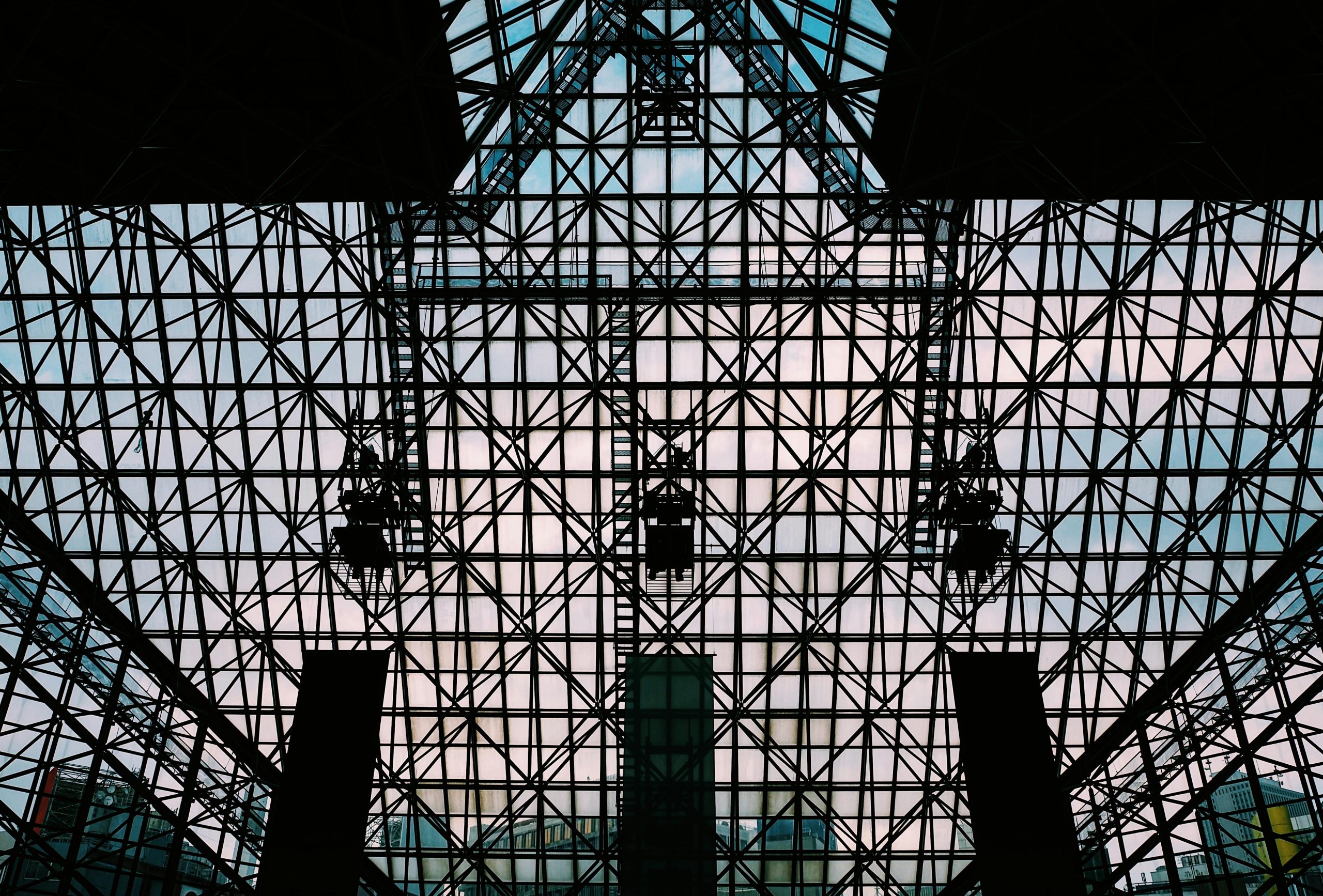
Custom Steel Trusses: Engineered to Your Needs
Executive Summary
Are you looking for a robust, reliable, and cost-effective solution for your structural needs? Look no further than custom steel trusses. This comprehensive guide explores the world of custom steel truss design and fabrication, covering everything from the initial design process to the final installation. We’ll delve into the benefits of choosing custom steel trusses, address frequently asked questions, and highlight key considerations for successful project implementation. Whether you’re a seasoned contractor or a homeowner tackling a DIY project, this guide will equip you with the knowledge you need to make informed decisions about your steel truss needs. Prepare to discover how custom steel trusses can provide the perfect structural solution for your unique project requirements.
Introduction
Steel trusses offer unparalleled strength and versatility for a wide range of applications. From sprawling industrial buildings to elegant residential additions, custom steel trusses provide a tailored solution that maximizes efficiency and minimizes material waste. Unlike off-the-shelf options, custom steel trusses are engineered precisely to your specifications, ensuring optimal performance and longevity. This means you get a structure perfectly suited to your project’s unique load requirements and aesthetic preferences, resulting in a superior final product. This guide will help you navigate the process of designing and implementing your custom steel truss project, empowering you to make informed decisions and achieve exceptional results.
Frequently Asked Questions
Q1: How much do custom steel trusses cost?
The cost of custom steel trusses varies significantly based on factors like the truss size, complexity of the design, the grade of steel used, and the overall project scope. Obtaining multiple quotes from reputable fabricators is crucial to securing competitive pricing. Remember, while initial costs might seem higher compared to readily available options, the long-term benefits, including durability and reduced maintenance, often outweigh the initial investment.
Q2: How long does it take to get custom steel trusses fabricated?
Lead times for custom steel truss fabrication depend on several variables, including the complexity of the design, the fabricator’s workload, and the availability of materials. It’s essential to discuss timelines with your chosen fabricator early in the design process to ensure that your project stays on schedule. Accurate planning and clear communication are crucial to avoid delays. Inquire about their current backlog and typical lead times to avoid any unpleasant surprises.
Q3: What kind of engineering is involved in custom steel truss design?
Custom steel truss design requires specialized engineering expertise. Engineers use sophisticated software to analyze load requirements, material properties, and other critical factors. The design process ensures that the trusses meet stringent safety standards and building codes. You will need to work closely with a structural engineer to ensure your design is both sound and compliant with all relevant regulations. This collaboration is key for a successful and safe project.
Design Considerations
Designing custom steel trusses requires careful consideration of several critical factors to ensure structural integrity and optimal performance. Overlooking even minor details can lead to costly mistakes. This process necessitates close collaboration between architects, engineers and fabricators to ensure a cohesive and effective result. Effective communication and collaboration are crucial throughout the entire process.
Load Calculations: Accurate load calculations are paramount. This involves determining the anticipated weight the truss will bear, considering factors such as snow, wind, and the weight of the structure itself. Incorrect calculations can compromise the structural integrity of the entire building.
Material Selection: Choosing the right grade of steel is vital. This depends on the intended application, anticipated loads, and environmental factors. Higher-grade steels offer increased strength and durability but might come at a higher cost.
Span and Height: The span (distance between supports) and height of the truss significantly influence its design and material requirements. Larger spans generally demand stronger and more complex trusses.
Connection Details: The way individual members of the truss are connected is critical. Proper connection design ensures load transfer and overall stability. Weak connections are a common point of failure in poorly designed trusses.
Corrosion Protection: Protecting the steel from corrosion is crucial for longevity. This often involves using protective coatings or galvanization to extend the lifespan of the structure and reduce maintenance needs.
Building Codes and Regulations: Ensure your design fully complies with all relevant building codes and regulations. Non-compliance can lead to project delays, costly revisions, and even safety risks.
Fabrication and Installation
Once the design is finalized, the fabrication process begins. This involves precise cutting, shaping, and welding of the steel components. The fabrication stage demands precision and expertise to ensure the truss meets the design specifications. Quality control measures are implemented throughout this phase to guarantee accuracy and structural soundness.
Precision Cutting and Shaping: High-precision cutting and shaping techniques ensure the members fit together perfectly, maximizing strength and minimizing gaps.
Welding Procedures: The welding process is crucial, requiring skilled welders to ensure strong, reliable connections. Inspections verify the quality and integrity of each weld.
Quality Control: Rigorous quality control checks are carried out throughout the fabrication process to ensure the finished product conforms to the design specifications and relevant safety standards.
Surface Treatment: Applying protective coatings or galvanization to protect against corrosion is essential for long-term performance.
Transportation and Handling: Proper transportation and careful handling prevent damage during transit and installation.
Installation Procedures: The installation must be executed by experienced professionals, adhering to stringent safety procedures. Accurate placement and secure fastening are critical for structural integrity.
Material Considerations
The selection of appropriate steel grades and other materials significantly impacts the performance and longevity of your custom steel trusses. Understanding the differences in material properties and their implications is crucial for making informed decisions.
Steel Grades: Different steel grades possess varying strengths, yield points, and other characteristics that dictate their suitability for specific applications. High-strength low-alloy (HSLA) steels offer excellent strength-to-weight ratios.
Connectors: The type of connectors used influences the overall strength and stability of the truss system. High-strength bolts and welds are common choices.
Protective Coatings: Various protective coatings, such as paints, galvanization, or powder coatings, are available to safeguard the steel against corrosion. The choice depends on factors like the environmental conditions and desired lifespan.
Other Components: Other materials might be integrated into the truss system, depending on the design, such as wood or concrete components for support or attachment points.
Sustainability: Consider the environmental impact of materials. Using recycled steel and sustainable coating options can lessen the project’s environmental footprint.
Cost Analysis: Balance the cost of different materials against their performance and longevity. A more expensive material might be justified if it results in significant long-term cost savings due to increased durability and reduced maintenance.
Common Applications
Custom steel trusses find applications in various sectors, each with unique requirements. Understanding these applications provides insight into the versatility and adaptability of this structural solution.
Industrial Buildings: In industrial settings, custom steel trusses support heavy loads and large spans, vital for warehouses, factories, and other industrial structures.
Commercial Buildings: Steel trusses are used in commercial constructions like shopping malls, office buildings, and retail spaces, offering robust structural support.
Residential Construction: Custom steel trusses provide strong, lightweight roofing structures for homes, reducing the need for multiple supporting beams and creating open interior spaces.
Agricultural Structures: In agriculture, custom steel trusses are used in barns, greenhouses, and other agricultural buildings, providing durable and weather-resistant structures.
Bridge Construction: Steel trusses are a cornerstone of bridge construction, allowing the creation of long spans with relatively lightweight structures.
Renovation and Retrofits: Custom steel trusses can be integrated into renovation and retrofit projects to strengthen existing structures or to create new load-bearing elements.
Conclusion
Investing in custom steel trusses is an investment in durability, reliability, and efficiency. By carefully considering the design parameters, material selection, fabrication process, and installation procedures, you can ensure a structure that meets your precise needs. Remember, the expertise of structural engineers and experienced fabricators is crucial for a successful project. The result is a structure that offers both strength and aesthetic appeal, providing long-term value and exceeding your expectations. Don’t settle for less than the best; choose the precision and power of custom steel trusses.