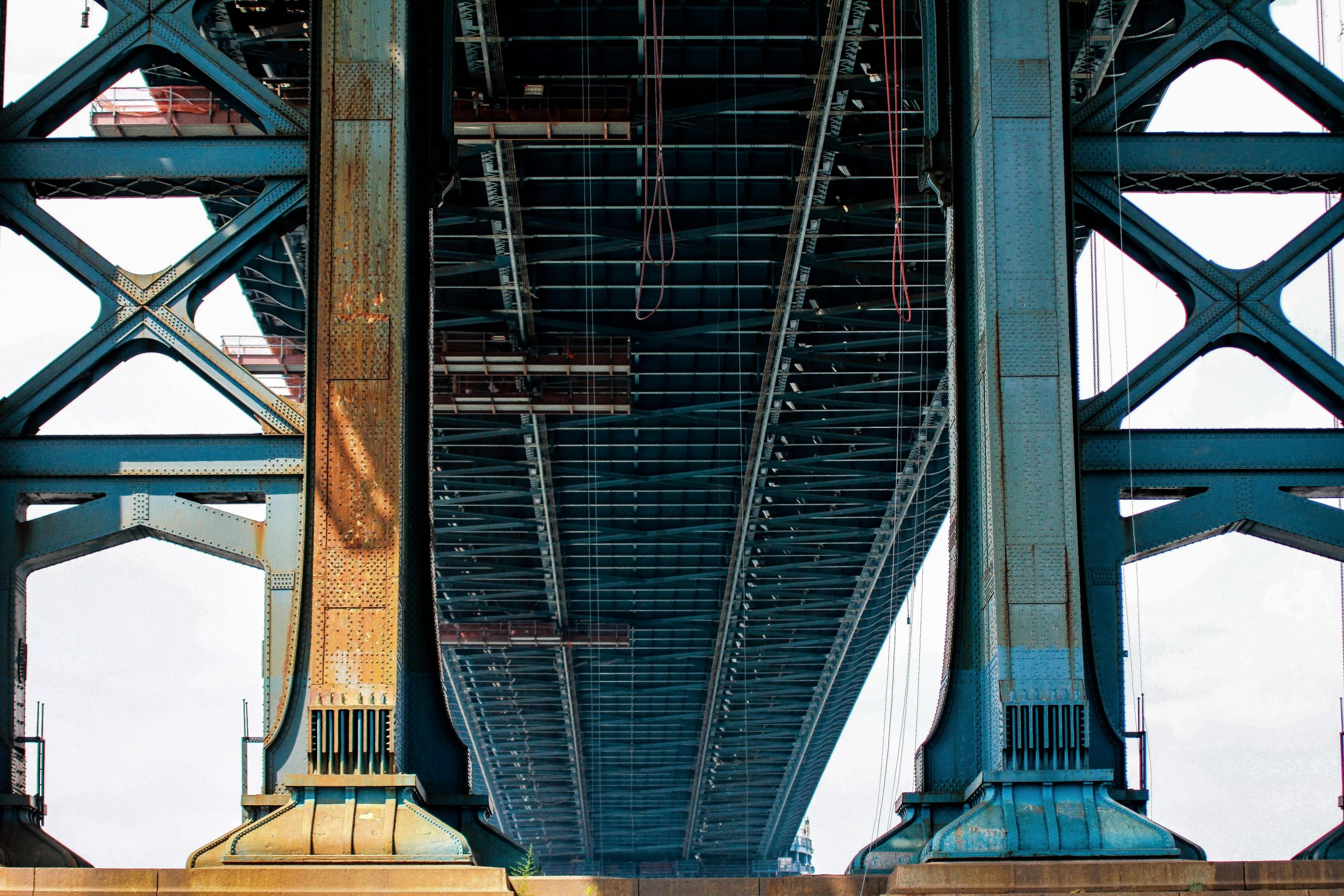
Tag: steel truss design

  • High-Strength Steel Construction Trusses – Superior Engineering

    High-Strength Steel Construction Trusses – Superior Engineering

    High-Strength Steel Construction Trusses – Superior Engineering

    Executive Summary

    This comprehensive guide explores the advantages of high-strength steel construction trusses, providing a detailed overview of their superior engineering, applications, and benefits compared to traditional construction methods. We delve into the key aspects influencing their strength, durability, and cost-effectiveness, examining factors like material selection, design considerations, and fabrication processes. This in-depth analysis is designed to equip architects, engineers, and construction professionals with the knowledge needed to make informed decisions when specifying high-strength steel trusses for their projects. This guide also addresses frequently asked questions and highlights five crucial subtopics for a complete understanding of this powerful construction technology.

    Introduction

    High-strength steel construction trusses represent a significant advancement in structural engineering, offering unparalleled strength, lightweight design, and cost-effectiveness. These engineered structures utilize the exceptional tensile strength of high-yield steel to create lightweight yet incredibly robust components ideal for a wide range of applications. From industrial buildings to residential homes, high-strength steel trusses provide a versatile and efficient solution for modern construction demands, pushing the boundaries of what’s possible in terms of building design and structural integrity. Their precision engineering and superior material properties ensure optimal performance, longevity, and safety. This detailed exploration will solidify the understanding of this transformative building technology.

    Frequently Asked Questions

    Q1: What are the main advantages of high-strength steel trusses over traditional timber or concrete structures?

    A1: High-strength steel trusses offer several key advantages, including superior strength-to-weight ratio, increased design flexibility, enhanced durability, and resistance to various environmental factors like moisture and pests, unlike timber. Compared to concrete, they are significantly lighter, leading to easier handling and transportation, and require less foundation reinforcement. Finally, the prefabricated nature of these trusses drastically reduces on-site construction time.

    Q2: How is the strength of a high-strength steel truss determined?

    A2: The strength of a high-strength steel truss is determined by a complex interplay of factors. These include the grade of steel used (higher yield strength means greater load-bearing capacity), the truss design itself (geometry and connection details), the fabrication process (welding quality and precision), and the load calculations performed during the design phase. Rigorous testing and analysis ensure the truss meets or exceeds the required safety standards.

    Q3: Are high-strength steel trusses more expensive than other construction methods?

    A3: While the initial material cost of high-strength steel might seem higher than some alternatives, the overall cost-effectiveness is often superior. The reduced construction time, lighter weight reducing foundation requirements, and the long-term durability minimizing maintenance costs make high-strength steel trusses a compelling economic choice.

    Material Selection and Properties

    High-strength steel is the cornerstone of these superior trusses. Its properties are critical to understanding their performance.

    Yield Strength: This critical parameter represents the stress at which the steel begins to deform plastically. High-yield strength steels, typically exceeding 50 ksi, are essential for achieving optimal strength-to-weight ratios.

    Tensile Strength: The maximum stress a steel can withstand before fracturing is crucial. High tensile strength ensures that the truss can endure significant loads without failure.

    Ductility: The ability of the steel to deform plastically before fracturing allows for energy absorption, enhancing the truss’s resilience in dynamic loading conditions.

    Weldability: The ease with which the steel can be welded is essential for efficient and reliable fabrication of the truss. Proper welding techniques ensure structural integrity.

    Corrosion Resistance: Protecting the steel from corrosion is vital. Protective coatings, such as galvanization or paint, are necessary to ensure long-term durability and prevent premature deterioration.

    Material Certification: Using certified steel ensures that the material meets the specified properties and quality standards. This certification is critical for maintaining structural integrity and compliance.

    Design and Engineering Principles

    The design process is crucial for the efficacy of the structure. This phase dictates the overall strength and lifespan.

    Finite Element Analysis (FEA): Sophisticated computer modeling uses FEA to simulate real-world loading conditions, allowing engineers to optimize the truss design for maximum efficiency and strength.

    Load Calculations: Accurate calculation of all anticipated loads (dead load, live load, wind load, seismic load) is paramount to ensure the truss can safely support the intended structure.

    Connection Design: The connections between the truss members are critical for transferring loads effectively. Proper design ensures these are strong and reliable.

    Code Compliance: The design must adhere to all relevant building codes and standards to ensure safety and legal compliance.

    Optimization Techniques: Employing advanced design optimization techniques allows for creating the most efficient truss configuration possible, minimizing material usage while maintaining structural integrity.

    Wind & Seismic Considerations: Trusses must be engineered to handle site-specific wind and seismic loads, critical in regions prone to earthquakes or high winds.

    Fabrication and Manufacturing Processes

    The production process is crucial to ensure the final product meets the required standards.

    Precision Cutting: Accurate cutting of the steel members is essential for maintaining the truss’s geometry and overall strength. Laser cutting is commonly used for high precision.

    Welding Techniques: Proper welding procedures, including skilled welders and quality control checks, are vital for ensuring strong and reliable connections.

    Quality Control: Rigorous quality control checks at each stage of the fabrication process are necessary to ensure compliance with design specifications and safety standards.

    Surface Treatment: Applying protective coatings like galvanization or painting protects the steel from corrosion and enhances its lifespan.

    Assembly and Erection: Efficient and safe methods for assembling and erecting the trusses are essential to ensure proper installation and minimize risks.

    Non-Destructive Testing (NDT): NDT techniques, such as ultrasonic inspection, verify the integrity of the welds and the overall structure without causing damage.

    Applications and Uses

    The versatility of these trusses has expanded their use across various sectors.

    Industrial Buildings: High-strength steel trusses are ideal for large industrial structures, offering robust support for heavy machinery and equipment.

    Commercial Buildings: They are increasingly used in commercial construction for their strength, lightweight design, and cost-effectiveness, allowing for greater design flexibility.

    Residential Buildings: In residential construction, they provide strong support for roofs and other structural elements, enabling larger spans and open floor plans.

    Agricultural Structures: High-strength steel trusses find application in barns, greenhouses, and other agricultural buildings, offering durable and weather-resistant structures.

    Bridges and Infrastructure: These trusses are used in smaller bridge structures and other infrastructure projects, providing a cost-effective and reliable solution.

    Roofing Systems: Their use in roofing systems is expansive because of their ability to support significant loads efficiently.

    Advantages and Disadvantages

    Understanding both sides paints a comprehensive picture of their effectiveness.

    Advantages: High strength-to-weight ratio, increased design flexibility, enhanced durability and lifespan, resistance to pests and rot (unlike timber), faster construction time, reduced foundation requirements, and cost-effectiveness in many applications.

    Disadvantages: Requires skilled labor for fabrication and erection, potential for corrosion if not properly protected, susceptibility to buckling under excessive compressive loads (needs to be carefully engineered).

    Conclusion

    High-strength steel construction trusses represent a paradigm shift in structural engineering, offering a potent combination of strength, efficiency, and cost-effectiveness. Their superior engineering capabilities, coupled with advancements in materials science and fabrication techniques, continue to redefine the possibilities in construction. From industrial behemoths to residential homes, the versatility and enduring reliability of these trusses make them an increasingly popular choice for architects and engineers seeking innovative and robust solutions for modern building projects. Understanding the nuances of material selection, design principles, and fabrication processes is crucial for harnessing their full potential, ensuring structural integrity and safety. The meticulous attention to detail throughout the entire lifecycle, from design to erection, is paramount to maximizing the benefits of this exceptional construction technology.

    high-strength steel trusses, steel truss design, construction engineering, structural steel, building materials

  • Buy Steel Trusses Online: Fast Delivery Available

    Buy Steel Trusses Online: Fast Delivery Available

    Executive Summary

    Are you looking for a reliable and efficient way to purchase high-quality steel trusses? Look no further! Our online platform offers a wide selection of steel trusses, fast delivery, and unparalleled customer service. We understand the importance of speed and reliability in construction projects, which is why we’ve streamlined our process to ensure you get the trusses you need, when you need them. Forget the hassle of traditional suppliers – experience the convenience and efficiency of buying steel trusses online with us. We offer competitive pricing, a wide range of sizes and specifications, and dedicated support to help you through every step of the process. This comprehensive guide will walk you through everything you need to know about buying steel trusses online, from selecting the right product to ensuring timely delivery.

    Introduction

    Building a strong and durable structure requires the right materials, and steel trusses are a cornerstone of modern construction. They offer exceptional strength-to-weight ratios, making them ideal for a wide range of applications, from residential homes to large-scale commercial projects. Choosing the right supplier, however, can make or break your project timeline and budget. This guide aims to simplify the process of buying steel trusses online, highlighting the key factors to consider and the benefits of choosing our service for your next project. We pride ourselves on offering high-quality products, competitive pricing, and exceptional customer service, ensuring a smooth and stress-free experience from order to delivery.

    Frequently Asked Questions

    Q: What types of steel trusses do you offer? A: We offer a wide variety of steel trusses, including residential, commercial, and agricultural trusses. Our range caters to various span lengths, load capacities, and design requirements. Contact our sales team to discuss your specific needs and get personalized recommendations.

    Q: How long does delivery take? A: Delivery times vary depending on your location and the size of your order. However, we strive to provide fast delivery to minimize project delays. You can get an estimated delivery timeframe during the checkout process, or by contacting our customer service team. We utilize a network of reliable carriers to ensure your trusses arrive safely and on time.

    Q: What is your return policy? A: We understand that mistakes can happen. While we meticulously check each truss before shipment, if you receive damaged or incorrect trusses, please contact us immediately. We will work with you to arrange a replacement or refund. Please note that returns are subject to our terms and conditions, which are clearly outlined on our website.

    Steel Truss Types and Applications

    Steel trusses are incredibly versatile, used in a wide array of construction projects. Understanding the different types available helps ensure you choose the perfect fit for your project’s needs.

    Residential Trusses: Ideal for homes and smaller buildings, these trusses are designed for lighter loads and shorter spans. They are cost-effective and readily available.

    Lightweight Design: Optimized for residential load requirements.

    Cost-Effective: Generally more affordable than commercial-grade trusses.

    Easy Installation: Designed for simpler installation processes.

    Various Span Options: Available in a range of sizes to suit different room dimensions.

    Compliance with Building Codes: Manufactured to meet all relevant building codes and standards.

    Commercial Trusses: Designed for heavier loads and larger spans, these trusses are frequently used in commercial buildings, warehouses, and industrial structures.

    High Load Capacity: Capable of supporting significant weight.

    Long Spans: Ideal for wide-open spaces and large buildings.

    Durable Construction: Built to withstand heavy use and demanding conditions.

    Customizable Designs: Can be tailored to meet specific structural requirements.

    Engineered for Safety: Meets or exceeds all relevant safety standards.

    Agricultural Trusses: Specifically engineered for agricultural buildings like barns and sheds, these trusses are resistant to harsh weather conditions.

    Weather Resistance: Designed to withstand extreme temperatures and precipitation.

    Durable Materials: Constructed from high-quality steel for long-term durability.

    Large Span Capabilities: Suitable for large agricultural structures.

    Ventilation Options: Often incorporate features to promote proper ventilation.

    Specific Load Requirements: Designed to accommodate the weight of stored materials and equipment.

    Steel Truss Design and Specifications

    Choosing the right steel truss involves careful consideration of its design and specifications. A thorough understanding of these elements ensures the truss meets your project’s needs and complies with building regulations.

    Span Length: The distance between the supports of the truss is a crucial factor. Longer spans generally require stronger and more complex truss designs.

    Accurate Measurement: Precise measurement is vital for proper design and fitting.

    Material Selection: The appropriate steel grade and size are determined based on the span length and load requirements.

    Structural Analysis: Engineering calculations are essential to determine the necessary strength and stability of the truss.

    Load Capacity: The span length directly impacts the truss’s load-bearing capacity.

    Design Optimization: Design software is used to optimize truss geometry for maximum efficiency and cost-effectiveness.

    Load Capacity: This refers to the maximum weight the truss can safely support. Accurate load calculations are paramount to ensure structural integrity.

    Dead Loads: The weight of the truss itself and any permanently attached elements.

    Live Loads: Variable loads such as snow, wind, and occupancy.

    Safety Factors: Design incorporates safety factors to account for unforeseen loads and potential variations.

    Load Distribution: The design ensures the load is evenly distributed throughout the truss for optimal stability.

    Engineering Calculations: Precise calculations are crucial for determining the correct load capacity.

    Material Grade: Steel trusses use various grades of steel, each possessing different strength and durability characteristics.

    Yield Strength: The stress at which the steel begins to deform permanently.

    Tensile Strength: The maximum stress the steel can withstand before breaking.

    Corrosion Resistance: Some grades offer better resistance to rust and corrosion.

    Cost Considerations: Different grades have varying costs, influencing the overall project budget.

    Specific Application Requirements: The chosen grade should match the project’s demands.

    Steel Truss Installation and Safety

    Correct installation is crucial for ensuring the structural integrity and safety of your building. Proper procedures and safety precautions must be followed at all times.

    Professional Installation: While some DIY projects are possible, complex truss installations often require the expertise of qualified professionals.

    Experience and Expertise: Professionals possess the necessary knowledge and skills for safe and efficient installation.

    Specialized Equipment: Proper tools and equipment are essential for accurate and safe installation.

    Adherence to Building Codes: Professionals ensure the installation complies with all relevant building codes.

    Safety Measures: They implement necessary safety precautions to prevent accidents.

    Warranty and Insurance: Professional installers often offer warranties and liability insurance.

    Safety Precautions: Working with steel trusses requires adherence to strict safety procedures to prevent injuries.

    Personal Protective Equipment (PPE): Hard hats, safety glasses, and gloves are essential.

    Proper Lifting Techniques: Use appropriate lifting equipment and techniques to avoid accidents.

    Fall Protection: Install proper fall protection measures, especially at heights.

    Secure Handling: Proper techniques for handling and storing trusses must be implemented.

    Regular Inspections: Regular inspections throughout the installation process are crucial.

    Building Codes and Permits: Before commencing any construction project involving steel trusses, ensure you have the necessary permits and comply with local building codes.

    Permit Applications: Submit applications and obtain all necessary permits before starting the project.

    Compliance with Regulations: Ensure all aspects of the project comply with local building regulations and codes.

    Inspections: Be prepared for inspections by building officials throughout the project.

    Documentation: Maintain detailed records of all permits and inspections.

    Professional Consultation: Seek professional advice to ensure compliance with all relevant regulations.

    Cost Considerations and Budgeting

    The cost of steel trusses varies depending on several factors. Careful planning and budgeting are essential for a successful project.

    Size and Dimensions: Larger and more complex trusses generally cost more.

    Material Quantity: Larger trusses require more steel, increasing material costs.

    Manufacturing Complexity: More complex designs require more labor and manufacturing time.

    Transportation Costs: Larger trusses may require specialized transportation, adding to the overall cost.

    Design Customization: Custom designs often incur additional engineering and manufacturing fees.

    Material Grade: Higher-grade steel is generally more expensive but offers greater strength and durability.

    Delivery and Installation: These costs can significantly impact your overall budget.

    Distance to Delivery Location: Longer distances result in higher transportation costs.

    Installation Labor: Professional installation adds a significant cost to the project.

    Accessibility of Site: Difficult-to-access sites may require specialized equipment, increasing costs.

    Project Timeline: Urgent delivery requests often come with expedited shipping fees.

    * Additional Services: Any additional services like crane rentals should be factored into the budget.

    Conclusion

    Buying steel trusses online offers significant advantages in terms of convenience, efficiency, and cost-effectiveness. By understanding the different types, specifications, and installation procedures, you can make informed decisions to ensure your project’s success. Remember to prioritize safety, comply with building codes, and carefully plan your budget. Our online platform provides a seamless purchasing experience, with fast delivery and excellent customer service to support your construction needs. Choose us as your partner for all your steel truss requirements and experience the difference of a reliable and efficient supplier. We are committed to providing high-quality products and exceptional service, helping you build strong, durable structures that meet your specific requirements. Contact us today to discuss your project and let us help you find the perfect steel trusses for your needs.

    steel trusses, online purchase, fast delivery, steel truss design, construction materials

Exit mobile version