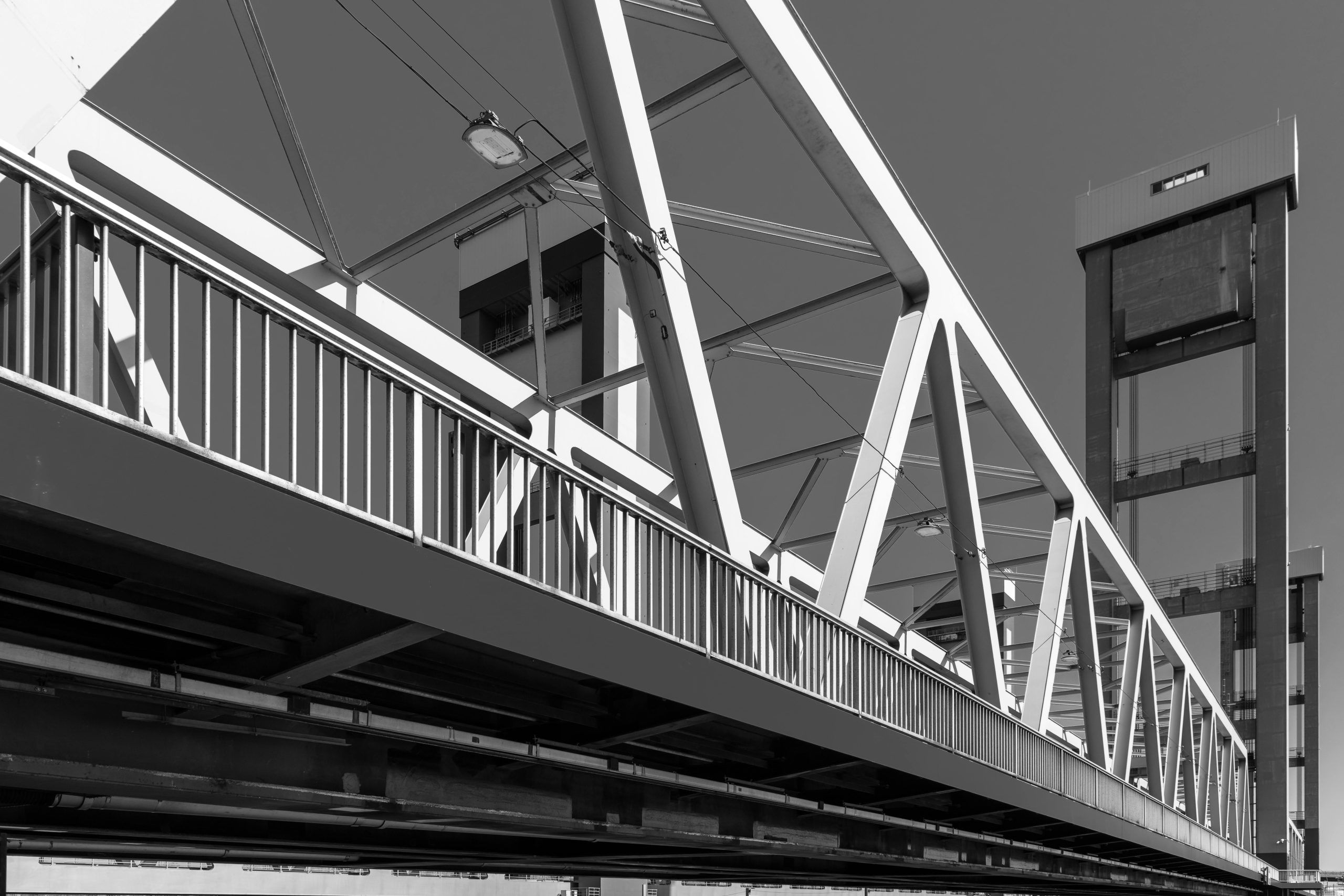
Tag: steel fabrication

  • Custom Steel Construction Trusses:  Built to Your Specifications

    Custom Steel Construction Trusses: Built to Your Specifications

    Custom Steel Construction Trusses: Built to Your Specifications

    Executive Summary

    This comprehensive guide explores the world of custom steel construction trusses, offering invaluable insights for architects, engineers, builders, and anyone involved in structural projects. We’ll delve into the advantages, design process, material selection, installation, and maintenance of these robust and versatile structural elements. Whether you’re building a small residential addition or a large-scale commercial structure, understanding the intricacies of custom steel trusses is crucial for ensuring a successful and long-lasting project. We’ll answer frequently asked questions and highlight key considerations to help you make informed decisions throughout the entire process. This guide is designed to be your go-to resource for all things related to custom steel construction trusses, providing you with the knowledge you need to make the best choices for your project.

    Introduction

    Steel construction trusses represent a pinnacle of structural engineering, offering unparalleled strength, durability, and design flexibility. Unlike pre-fabricated options, custom steel trusses are engineered to meet the precise specifications of your individual project. This bespoke approach ensures optimal performance, minimizes material waste, and allows for creative design solutions that might not be possible with off-the-shelf alternatives. This guide will walk you through the process, clarifying the advantages and considerations involved in choosing custom steel trusses for your next project.

    Frequently Asked Questions

    Q: What are the advantages of choosing custom steel trusses over pre-engineered options?

    A: Custom steel trusses offer superior design flexibility to accommodate unique architectural designs and load requirements. They also typically result in optimized material usage, reducing waste and cost. Furthermore, custom trusses provide a higher degree of precision and control over the final product.

    Q: How long does the design and fabrication process typically take?

    A: The timeframe varies depending on the complexity of the project and the manufacturer’s workload. Generally, you can expect the entire process, from initial design consultation to final delivery, to take anywhere from 2 to 8 weeks. It’s crucial to discuss timelines with your chosen fabricator early in the planning stages.

    Q: What kind of maintenance do steel trusses require?

    A: Steel trusses are remarkably low-maintenance. Regular inspections for signs of corrosion or damage are recommended, especially in harsh environments. A protective coating, such as paint or galvanization, can significantly extend the lifespan of the trusses and prevent rust. Minor repairs, if needed, are typically straightforward.

    Design and Engineering

    Custom steel trusses aren’t simply slapped together; they’re the product of meticulous design and engineering. This phase is critical to ensure the structural integrity and longevity of your project.

    Detailed Load Calculations: Engineers precisely calculate the expected loads on the structure, accounting for factors like snow, wind, and the weight of the building materials. This ensures the trusses are sufficiently strong to support the intended weight.

    Material Selection: The choice of steel grade is paramount. Higher-grade steel offers greater strength but can also be more expensive. Engineers select the optimal grade based on the project’s specific load requirements and budget considerations.

    Computer-Aided Design (CAD): Modern design utilizes advanced CAD software to create detailed 3D models of the trusses. This allows for precise visualization and analysis, helping to identify potential issues before fabrication begins.

    Stress Analysis: Sophisticated software analyzes the stresses on the truss members under various load conditions. This ensures that the design is safe, efficient, and meets all relevant building codes.

    Connection Details: The design meticulously specifies how the trusses will be connected to other structural elements. These connections are crucial for transferring loads effectively and ensuring the stability of the entire structure.

    Detailed Drawings and Specifications: The final design is documented with highly accurate drawings and specifications that guide the fabrication process. These documents are essential for ensuring consistent quality and accuracy throughout manufacturing and installation.

    Material Selection and Fabrication

    The choice of steel and the fabrication process are key factors impacting the quality, durability, and cost of custom steel trusses.

    Steel Grade Selection: Various steel grades offer different yield strengths, making it vital to select the appropriate grade for the intended load and environmental conditions. Higher yield strength steel often translates to lighter and more cost-effective trusses.

    Corrosion Protection: Protecting the steel from corrosion is essential for longevity. Common methods include galvanization (a zinc coating) or painting with specialized rust-inhibiting paints.

    Fabrication Process: State-of-the-art fabrication techniques ensure precision and accuracy in cutting, welding, and assembling the truss members. Experienced welders and quality control procedures are crucial to maintain high standards.

    Quality Control: Rigorous quality control checks are implemented throughout the fabrication process to ensure compliance with design specifications and building codes. This includes checks for weld integrity, dimensions, and overall structural soundness.

    Finishing Touches: Depending on the project’s aesthetic requirements, the finished trusses may undergo additional treatments, such as powder coating, to enhance their appearance and durability.

    Installation and Erection

    Proper installation is paramount to ensure the structural integrity and longevity of the custom steel trusses.

    Site Preparation: Adequate site preparation is crucial, including ensuring a stable foundation and a safe work environment. The exact specifications for site preparation will be dictated by the load calculations and the specific design requirements.

    Lifting and Handling: Specialized equipment, such as cranes, is typically necessary to lift and position the trusses accurately. Careful handling prevents damage and ensures safe installation.

    Connections: Secure and accurate connections between the trusses and other structural components are vital. Properly sized and installed connectors ensure load transfer and structural stability.

    Inspection: Thorough inspections throughout the installation process are crucial to ensure that the trusses are installed correctly and meet the design specifications.

    Compliance with Building Codes: All installation procedures must comply with relevant building codes and regulations to ensure the safety and structural integrity of the project.

    Maintenance and Longevity

    While steel trusses are inherently durable, regular maintenance contributes significantly to their longevity.

    Regular Inspections: Periodic inspections help detect any signs of corrosion, damage, or loose connections. These inspections should be conducted according to recommended schedules specified in design documents.

    Corrosion Control: Addressing signs of corrosion promptly prevents further deterioration. Repair work may involve cleaning, repainting, or even replacing damaged sections.

    Connection Checks: Regular checks ensure that all connections remain tight and secure. Loose connections can compromise structural integrity and should be addressed immediately.

    • Environmental Factors: Consider the environmental conditions. If the trusses are exposed to harsh conditions, more frequent inspections and maintenance might be necessary.

    Conclusion

    Custom steel construction trusses provide a compelling solution for projects demanding strength, durability, and design flexibility. While the initial investment might seem higher than pre-engineered options, the long-term benefits, including optimized material usage, reduced maintenance, and the ability to meet precise project needs, significantly outweigh the initial costs. By understanding the design process, material considerations, installation procedures, and maintenance requirements, you can ensure a successful project and a long-lasting, structurally sound building. Remember to always consult with experienced engineers and contractors to navigate the intricacies of custom steel truss design and implementation.
    steel trusses, custom steel construction, structural engineering, truss design, steel fabrication

  • Steel Business Experts | High-Quality Steel at Best Prices

    Steel Business Experts | High-Quality Steel at Best Prices

    Executive Summary

    Are you searching for a reliable supplier of high-quality steel at competitive prices? Look no further! Steel Business Experts is your one-stop shop for all your steel needs. We offer a wide selection of steel products, unmatched customer service, and expert advice to help you find the perfect solution for your project. Our commitment to quality, efficiency, and customer satisfaction sets us apart from the competition. We provide transparent pricing, fast delivery, and a streamlined ordering process to ensure a seamless experience from start to finish. Whether you’re a large corporation or a small business, we’re dedicated to providing you with the best possible service and the highest quality steel products available. Choose Steel Business Experts and experience the difference.

    Introduction

    In today’s competitive market, finding a reliable and affordable steel supplier is crucial for success. Whether you’re in construction, manufacturing, or any other industry that relies on steel, the quality and price of your materials directly impact your bottom line. Steel Business Experts understands this, which is why we’ve built a business model centered around providing high-quality steel at the best possible prices. We leverage strong relationships with leading steel mills and utilize efficient logistics to minimize costs and maximize value for our clients. We are committed to transparency and building long-term partnerships based on trust and mutual success. Let us help you achieve your project goals without compromising on quality or budget.

    Frequently Asked Questions

    What types of steel do you offer? We offer a wide variety of steel products, including carbon steel, stainless steel, alloy steel, and more. Our inventory is constantly updated to meet the ever-changing demands of our clients. If you have a specific requirement, please contact us, and we will do our best to source it for you.

    What is your minimum order quantity? We work with clients of all sizes. While we don’t have a strict minimum order quantity, larger orders often qualify for bulk discounts. Contact our sales team to discuss your specific needs and pricing.

    What are your delivery options? We offer a range of delivery options to suit your needs, including standard ground shipping, expedited shipping, and even direct delivery to your job site. We work with reputable logistics partners to ensure timely and secure delivery of your steel products.

    Steel Grades and Properties

    Choosing the right steel grade is crucial for the success of any project. Different grades possess unique properties, making them suitable for various applications. Understanding these properties will allow you to make informed decisions and optimize your project outcomes.

    Tensile Strength: This refers to the steel’s ability to resist being pulled apart. Higher tensile strength generally indicates greater durability and strength. It’s a critical factor in structural applications.

    Yield Strength: This measures the point at which the steel begins to deform permanently. A higher yield strength signifies that the steel can withstand greater stress before deformation. This is important for load-bearing components.

    Ductility: This indicates the steel’s ability to deform under tensile stress before fracturing. High ductility is beneficial for applications requiring formability and weldability.

    Hardness: This measures the steel’s resistance to indentation or scratching. Different levels of hardness are required for various applications, ranging from easily machinable steels to extremely hard, wear-resistant materials.

    Corrosion Resistance: Some steel grades, like stainless steel, possess inherent corrosion resistance, making them ideal for outdoor and harsh environments. Others may require additional coatings for protection.

    Steel Fabrication and Processing

    The fabrication and processing of steel significantly impact its final properties and suitability for specific applications. Careful consideration of these processes is crucial for ensuring the highest quality and performance.

    Cutting: Various methods exist for cutting steel, including sawing, shearing, laser cutting, and waterjet cutting. Each method offers unique advantages depending on the steel grade, thickness, and desired accuracy.

    Welding: Steel can be welded using various techniques such as arc welding, MIG welding, and TIG welding. The choice of welding method depends on factors such as steel grade, thickness, and joint design.

    Forming: Steel can be formed into various shapes using processes like bending, rolling, stamping, and forging. The formability of steel depends heavily on its grade and ductility.

    Heat Treatment: Heat treatment processes, such as annealing, quenching, and tempering, alter the steel’s microstructure and thus its mechanical properties. Heat treatment is crucial for achieving specific strength, hardness, and ductility levels.

    Surface Finishing: Various surface finishing techniques are used to improve the steel’s appearance, corrosion resistance, and other properties. These techniques include painting, powder coating, galvanizing, and plating.

    Steel Applications and Industries

    Steel’s versatility makes it suitable for a vast range of applications across numerous industries. Understanding these applications can help you appreciate the breadth and depth of steel’s impact on modern society.

    Construction: Steel is a mainstay in construction, used in buildings, bridges, and infrastructure projects due to its high strength-to-weight ratio and durability.

    Automotive: The automotive industry extensively uses steel for vehicle bodies, chassis, and various components. High-strength steel grades enhance safety and fuel efficiency.

    Manufacturing: Steel is essential for manufacturing various products, from machinery and tools to appliances and consumer goods. Its durability and formability make it an ideal material for countless applications.

    Energy: Steel plays a critical role in the energy sector, used in power plants, pipelines, wind turbines, and oil rigs. Its strength and corrosion resistance are crucial in these demanding environments.

    Aerospace: Despite its weight, steel remains important in aerospace, particularly in applications requiring high strength and durability, although lighter alloys are frequently preferred.

    Steel Pricing and Market Trends

    Navigating the steel market requires understanding pricing dynamics and market trends. These factors influence the overall cost of your projects and necessitate careful planning and forecasting.

    Global Supply and Demand: Global events, economic conditions, and raw material costs all play a significant role in determining steel prices.

    Regional Differences: Steel prices can vary significantly across different regions due to transportation costs, tariffs, and local market conditions.

    Grade and Specification: The specific grade and specification of steel also influence its price. Specialized grades with enhanced properties tend to be more expensive.

    Order Volume: Bulk orders typically qualify for discounts, which can significantly impact the overall cost.

    • Currency Fluctuations: International currency exchange rates can impact the price of imported steel, leading to fluctuations in costs.

    Conclusion

    Choosing the right steel supplier is a critical decision for any business. Steel Business Experts is dedicated to providing high-quality steel products at the best prices while offering unmatched customer service. We understand the nuances of the steel industry and strive to make the procurement process as seamless and efficient as possible. Our commitment to transparency, efficiency, and customer satisfaction sets us apart. By understanding steel grades, fabrication processes, applications, and market trends, you can make informed decisions that optimize your projects and minimize costs. Partner with Steel Business Experts, and let us help you succeed.

    steel, steel grades, steel fabrication, steel applications, steel pricing

  • Top Steel Business | Premium Steel Products & Services

    Top Steel Business | Premium Steel Products & Services

    Executive Summary

    Top Steel Business is your premier source for high-quality steel products and comprehensive services. We specialize in providing a wide range of steel solutions tailored to meet the unique needs of diverse industries. Our commitment to exceptional quality, unmatched customer service, and competitive pricing sets us apart. We leverage state-of-the-art technology and a team of experienced professionals to ensure reliable delivery and total customer satisfaction. This comprehensive guide will delve into our offerings, highlighting our expertise and commitment to excellence. From initial consultation to final delivery and beyond, Top Steel Business is your trusted partner for all your steel requirements.

    Introduction

    In today’s demanding industrial landscape, sourcing reliable and high-quality steel is paramount. Top Steel Business understands this need and provides a complete solution for all your steel requirements. We offer a diverse inventory of premium steel products, complemented by expert services designed to streamline your projects from start to finish. Our dedication to excellence ensures that you receive not only the best materials but also the highest level of customer support and project management. Choosing Top Steel Business means choosing efficiency, quality, and peace of mind.

    Frequently Asked Questions

    Q: What types of steel do you offer? A: We offer a wide range of steel types, including carbon steel, stainless steel, alloy steel, and specialized steel alloys, catering to various applications and industries. We also offer different grades and finishes to meet specific project requirements.

    Q: What services do you provide beyond supplying steel? A: Besides supplying steel products, we offer comprehensive services including custom cutting and fabrication, heat treatment, surface treatment, logistics and delivery management, and technical consultation to help you optimize your projects and materials selection.

    Q: What is your commitment to sustainability? A: We are deeply committed to sustainable practices. This includes sourcing steel from responsible suppliers, implementing efficient processes to minimize waste, and actively exploring and implementing environmentally friendly technologies throughout our operations.

    Carbon Steel Products

    Carbon steel is a foundational material in countless applications due to its strength, weldability, and affordability. Top Steel Business offers a comprehensive range of carbon steel products tailored to meet specific requirements.

    Wide Variety of Grades: We stock various grades of carbon steel, from low-carbon to high-carbon, each with unique properties suited to different applications, ensuring optimal performance.

    Precise Cutting and Fabrication: Our advanced cutting and fabrication capabilities allow us to provide customized carbon steel components tailored to your exact specifications, eliminating the need for costly rework.

    Surface Treatment Options: We offer a variety of surface treatments such as painting, galvanizing, and powder coating to enhance the durability and lifespan of your carbon steel products, protecting them from corrosion and wear.

    Quality Assurance and Testing: Rigorous quality control measures are implemented at every stage, guaranteeing that our carbon steel products meet and exceed industry standards.

    Competitive Pricing and Timely Delivery: We are committed to providing competitive pricing and ensuring timely delivery, allowing you to maintain efficient project timelines.

    Stainless Steel Solutions

    Known for its exceptional corrosion resistance, stainless steel is crucial in industries demanding hygiene and longevity. Top Steel Business offers a comprehensive portfolio of stainless steel products and services.

    Diverse Grades and Finishes: We offer a wide variety of stainless steel grades (like 304, 316, and others) and finishes (polished, brushed, etc.) to satisfy diverse aesthetic and functional needs.

    Specialized Fabrication Techniques: Our expertise extends to specialized fabrication techniques for stainless steel, ensuring the integrity and precision required for complex projects.

    Hygiene and Food-Grade Compliance: Many of our stainless steel products are compliant with stringent food-grade standards, making them ideal for applications in the food processing and pharmaceutical industries.

    Corrosion Resistance Expertise: Our team possesses extensive knowledge of corrosion resistance and can advise on the best stainless steel grade for specific environments.

    Long-Term Durability and Value: The longevity of stainless steel products translates into long-term value and reduced replacement costs for our clients.

    Alloy Steel Expertise

    Alloy steels provide enhanced properties like strength, hardness, and corrosion resistance, making them suitable for demanding applications. Top Steel Business excels in providing high-quality alloy steel solutions.

    Custom Alloy Formulations: We can source and provide custom alloy steel formulations based on specific project requirements, tailoring the material to optimize performance in demanding environments.

    Advanced Heat Treatment Capabilities: Our advanced heat treatment capabilities allow us to precisely control the microstructure of the alloy steel, ensuring the desired mechanical properties are achieved.

    High-Strength Applications: Alloy steel’s superior strength makes it ideal for high-stress applications in industries such as aerospace, construction, and heavy machinery.

    Superior Wear Resistance: Some alloy steel formulations offer exceptional wear resistance, which is crucial in applications subject to friction and abrasion.

    Technical Support and Consultation: Our team provides technical support and guidance to ensure the correct selection and utilization of alloy steel for optimal performance.

    Steel Fabrication and Cutting Services

    Top Steel Business provides advanced fabrication and cutting services to transform raw steel into customized components. Our precision cutting and fabrication capabilities are crucial for many industries.

    State-of-the-Art Equipment: We utilize state-of-the-art equipment, ensuring precision and efficiency in all cutting and fabrication processes.

    CAD/CAM Integration: We use CAD/CAM integration to accurately translate designs into finished products, minimizing errors and ensuring high precision.

    Custom Component Manufacturing: We can manufacture custom components based on client-supplied designs or work collaboratively to develop optimal solutions.

    Welding Expertise: Our experienced welders use various welding techniques, ensuring the structural integrity and quality of fabricated components.

    Quality Control and Inspection: Each stage of the fabrication process undergoes rigorous quality control and inspection, guaranteeing the highest standards are met.

    Project Management and Logistics

    Efficient project management and seamless logistics are vital for successful project completion. Top Steel Business excels in both areas.

    Experienced Project Managers: Our experienced project managers provide clear communication, proactive issue resolution, and ensure projects are delivered on time and within budget.

    Customized Project Planning: We work closely with clients to develop customized project plans, factoring in specific project timelines and requirements.

    Reliable Delivery Networks: Our robust delivery networks ensure reliable and timely delivery of materials to any location, minimizing project delays.

    Inventory Management Solutions: We offer inventory management solutions to help clients optimize their steel stock and reduce waste.

    Complete Project Support: We provide complete project support, from initial consultation to after-sales service, ensuring a smooth and successful project execution.

    Conclusion

    Top Steel Business is more than just a steel supplier; we are a strategic partner committed to providing premium steel products and comprehensive services that drive your success. Our unwavering commitment to quality, innovation, and customer satisfaction sets us apart. We leverage cutting-edge technology and a team of highly skilled professionals to ensure reliable delivery and exceptional results. Choose Top Steel Business for unparalleled quality, service, and value in all your steel-related needs. Contact us today to discuss your project and experience the Top Steel Business difference.

    carbon steel, stainless steel, alloy steel, steel fabrication, project management

  • Steel Truss Design & Fabrication: Expert Solutions

    Steel Truss Design & Fabrication: Expert Solutions

    Executive Summary

    This comprehensive guide delves into the intricacies of steel truss design and fabrication, providing invaluable insights for engineers, contractors, and anyone involved in structural projects. We explore the critical aspects of design, fabrication, material selection, and quality control, emphasizing the importance of precision and adherence to industry best practices. From understanding the fundamental principles of truss mechanics to navigating the complexities of fabrication processes, this resource offers a holistic overview of this essential aspect of structural engineering. We aim to equip readers with the knowledge needed to make informed decisions, ensuring the safety, stability, and longevity of their steel truss structures. This guide will serve as a comprehensive resource, setting a benchmark for understanding and executing successful steel truss projects.

    Introduction

    Steel trusses are ubiquitous in construction, offering a robust and efficient solution for spanning large distances while minimizing material usage. Their inherent strength-to-weight ratio makes them ideal for various applications, ranging from roofs and bridges to industrial structures and support systems. This article explores the critical aspects of steel truss design and fabrication, providing a detailed overview of the processes, considerations, and best practices involved in creating safe, reliable, and long-lasting steel truss structures. Understanding these intricacies is key to ensuring successful project outcomes and optimizing structural performance.

    Frequently Asked Questions (FAQs)

    Q: What are the main advantages of using steel trusses?

    A: Steel trusses offer several key advantages, including high strength-to-weight ratio, cost-effectiveness (especially for larger spans), design flexibility, and relatively quick and easy fabrication and installation. Their ability to span long distances with minimal support makes them highly versatile.

    Q: What types of steel are commonly used in truss fabrication?

    A: Common steel grades used include A36, A992, and A572, each possessing specific yield strengths and other properties appropriate for various applications. The choice depends on the load requirements and design specifications of the project. Higher strength steels often allow for lighter and more economical designs.

    Q: What are the crucial steps in ensuring the quality of a fabricated steel truss?

    A: Quality control is paramount throughout the entire process, from material selection and testing to fabrication techniques and final inspection. This includes precise cutting, welding, and connection techniques, regular quality checks during fabrication, and final inspection to ensure compliance with design specifications and safety standards. Accurate measurements and adherence to detailed plans are crucial.

    Steel Truss Design Principles

    Designing steel trusses involves intricate calculations and considerations to ensure structural integrity and safety. These designs must account for various loading scenarios, including dead loads, live loads, wind loads, and seismic forces. Sophisticated software programs are commonly employed for efficient analysis and optimization.

    Load Calculations: Accurate determination of all forces acting on the truss is crucial. This involves considering both permanent (dead) loads and temporary (live) loads. These are then used to calculate member forces within the truss.

    Member Sizing: Based on the calculated member forces, appropriate steel sections are selected to ensure adequate strength and stability. This involves referencing appropriate steel design codes and ensuring the chosen section meets all required safety factors.

    Connection Design: The design of connections between truss members is critical for overall structural performance. Appropriate connection types, such as bolted or welded joints, must be selected and properly detailed to ensure adequate load transfer and resistance.

    Stability Analysis: Trusses must be analyzed for overall stability under various loading conditions. This often involves checking for buckling or lateral-torsional instability of individual members and the truss structure as a whole.

    Code Compliance: All design aspects must adhere to relevant building codes and industry standards, ensuring structural integrity and safety. This may include compliance with standards such as the American Institute of Steel Construction (AISC) specifications.

    Software Utilization: Modern design relies heavily on specialized software for structural analysis and design, ensuring accuracy and efficiency. This software helps optimize designs and automate calculations.

    Steel Truss Fabrication Techniques

    Steel truss fabrication is a complex process requiring precision and skill. This critical phase involves cutting, shaping, and connecting steel members according to detailed design specifications. The quality of fabrication directly impacts the overall strength and stability of the truss.

    Material Preparation: This begins with the selection of high-quality steel and its precise cutting and shaping to the dimensions specified in the design drawings. Accuracy at this stage is critical.

    Welding Techniques: Welded connections are commonly used in truss fabrication, requiring skilled welders to ensure strong, consistent, and code-compliant joints. Proper welding procedures are followed to prevent defects.

    Bolted Connections: Bolted connections offer an alternative to welding, providing flexibility and ease of assembly in some instances. High-strength bolts and proper torque control are crucial.

    Quality Control Measures: Throughout the fabrication process, regular inspections and quality checks are performed to ensure adherence to design specifications and industry standards. This includes checks on dimensions, welding quality, and material properties.

    Surface Treatment: A protective coating, such as painting or galvanizing, is often applied to protect the steel from corrosion, extending its lifespan and maintaining structural integrity.

    Assembly and Erection: Finally, the fabricated truss members are assembled and erected at the project site. This requires careful coordination and adherence to safety protocols.

    Material Selection for Steel Trusses

    The choice of steel for truss construction significantly influences cost, strength, and durability. The selection process involves understanding the various grades of steel available and their properties relevant to the specific application.

    Steel Grade Selection: Different steel grades offer varying yield strengths, tensile strengths, and ductility. The selection depends on the design loads and performance requirements. Higher strength steels are generally more expensive but can lead to more economical designs.

    Material Testing: Testing the steel to verify its properties is crucial. This includes tensile testing and chemical analysis to ensure compliance with specified requirements.

    Corrosion Resistance: The environment where the truss will be located influences the selection of steel and any necessary corrosion protection. In corrosive environments, selecting higher-corrosion-resistant steel or employing protective coatings is essential.

    Cost Considerations: Steel prices vary depending on the grade and market conditions. Choosing the most economical steel grade that meets performance requirements is important in optimizing project costs.

    Sustainability: Considering the embodied carbon of the steel used is becoming increasingly crucial. Selecting steel from recycled sources or opting for higher-strength steel can reduce the overall environmental impact.

    Availability: Ensuring timely availability of the chosen steel grade is essential for meeting project schedules.

    Steel Truss Design Software and Technology

    The use of sophisticated software significantly improves the efficiency and accuracy of steel truss design. These tools allow engineers to perform complex calculations, generate detailed drawings, and optimize designs for optimal performance.

    Finite Element Analysis (FEA): FEA software helps engineers analyze complex structural behaviors and predict the response of steel trusses under various loading conditions. This assists in identifying potential stress concentrations or weaknesses.

    Computer-Aided Design (CAD): CAD software facilitates the creation of detailed design drawings, including accurate dimensions, connection details, and fabrication instructions. This ensures precision and minimizes errors.

    Building Information Modeling (BIM): BIM integrates various aspects of the design and construction process, including structural analysis, architectural drawings, and cost estimations. This improves coordination and reduces potential conflicts.

    Fabrication Software: Specialized software helps optimize fabrication processes, generating cutting lists, nesting patterns, and other crucial information for efficient production.

    Data Management: Effective data management software helps track and manage various aspects of the project, ensuring consistency and preventing errors.

    • Virtual Reality (VR): VR is used to visualize and review the design and fabrication processes, identifying potential problems before construction begins.

    Conclusion

    Steel truss design and fabrication are integral parts of many successful construction projects. Understanding the intricate details, adhering to industry best practices, and leveraging the latest technological advancements are vital in ensuring the structural integrity, safety, and longevity of these essential elements. This guide serves as a foundational resource for professionals and enthusiasts alike, offering a comprehensive overview of the crucial aspects of this discipline. By paying close attention to design principles, fabrication techniques, material selection, and quality control, engineers and contractors can confidently deliver robust and reliable steel truss structures that meet the demands of modern construction. The importance of precision, attention to detail, and adherence to standards cannot be overstated in ensuring projects are both successful and safe.

    steel trusses, truss design, steel fabrication, structural engineering, building codes

Exit mobile version