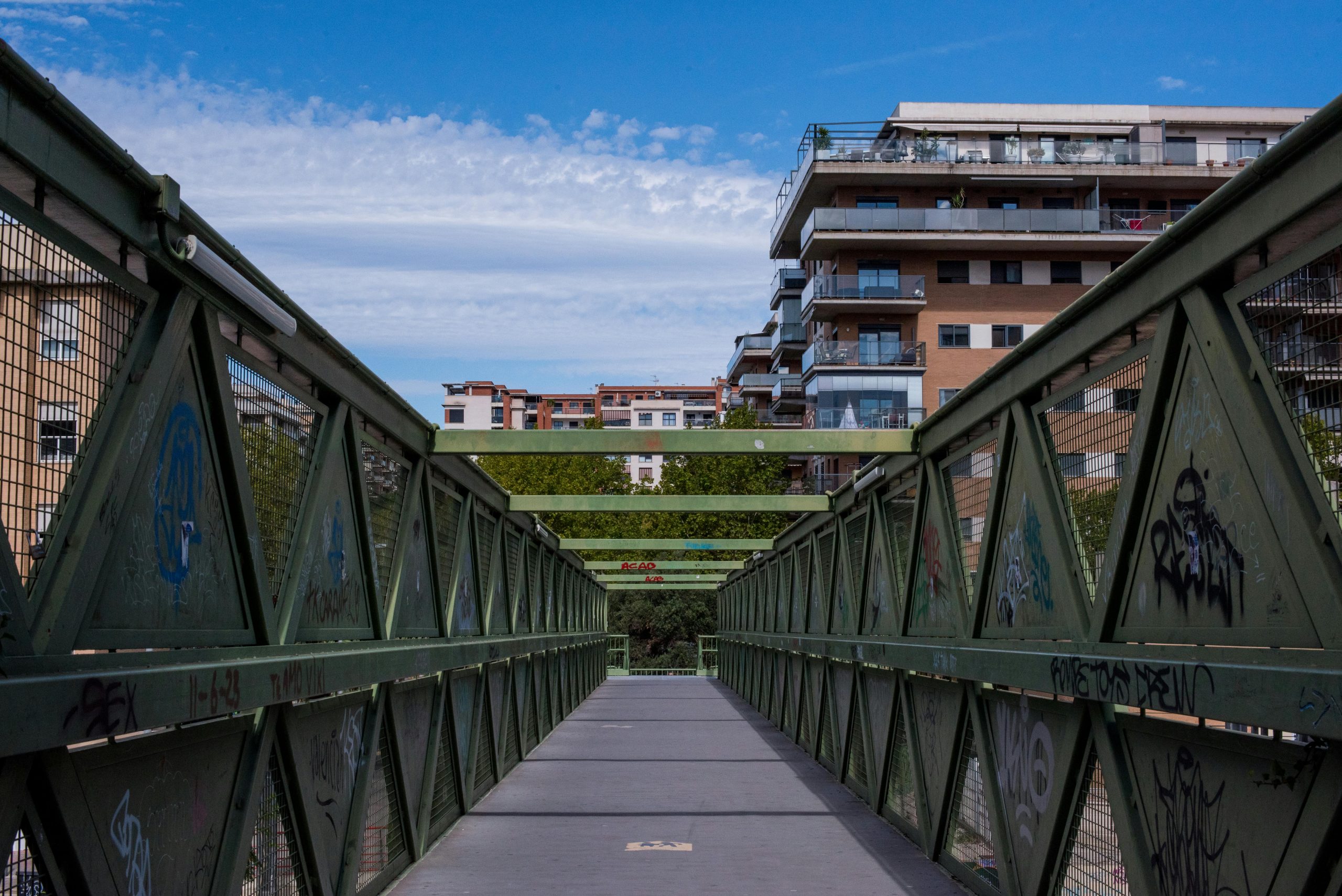
Reliable Steel Construction Trusses: Get a Free Quote Today
Executive Summary
This comprehensive guide delves into the world of reliable steel construction trusses, exploring their advantages, applications, and the importance of choosing a reputable supplier. We’ll cover crucial aspects like design considerations, material selection, installation processes, and cost-effectiveness. By the end, you’ll be equipped to make informed decisions when selecting steel trusses for your next construction project, and you’ll be able to confidently request a free quote from a trusted provider. We aim to provide you with the information needed to outperform your competition and build structures that are strong, safe, and sustainable. This guide will help you navigate the complexities of steel truss selection and ensure you make the right choice for your project.
Introduction
Steel construction trusses offer an unparalleled combination of strength, durability, and cost-effectiveness for a wide range of construction projects. From residential homes to large-scale industrial buildings, these engineered structures provide the necessary support and structural integrity required for any project. Understanding the intricacies of steel trusses, however, is key to selecting the right product for your needs. This guide aims to simplify the process, offering valuable insights and information to help you make informed decisions, ultimately saving you time, money and potential headaches down the road. Choosing the right truss is paramount to ensuring a successful project.
Frequently Asked Questions
Q: What are the benefits of using steel trusses over other materials?
A: Steel trusses offer superior strength-to-weight ratios compared to wood or concrete, allowing for larger spans and reduced material costs. They are also highly resistant to fire, pests, and rot, leading to longer lifespans and reduced maintenance. Steel trusses are also readily available and can be fabricated to meet precise specifications.
Q: How do I determine the right size and type of steel truss for my project?
A: The selection process depends heavily on several factors including the span length, load requirements, and the overall design of the structure. A structural engineer will perform the necessary calculations to determine the appropriate size, type, and configuration of trusses needed to meet specific building codes and safety requirements. It’s crucial to consult with a professional for this critical step.
Q: How much do steel trusses typically cost?
A: The cost of steel trusses varies depending on factors such as size, complexity, and the quantity ordered. However, it’s worth noting that the long-term benefits, including lower maintenance and extended lifespan, frequently outweigh the initial cost. Requesting multiple quotes from reputable suppliers is advisable to find the best possible price.
Design Considerations
The design phase is critical in ensuring the success and longevity of your project. A well-designed truss system will provide optimal performance, minimizing potential issues.
Structural Engineering: Always engage a qualified structural engineer to design your truss system. They will perform the necessary calculations to ensure the trusses meet all relevant building codes and safety regulations. This ensures structural integrity and avoids costly mistakes later on.
Load Calculations: Accurate load calculations are paramount. These calculations take into account dead loads (the weight of the structure itself), live loads (occupancy, snow, etc.), and wind loads. Overlooking these calculations can compromise structural integrity.
Span Length: The distance between supports significantly influences the size and type of truss required. Longer spans necessitate larger and more robust trusses to maintain adequate strength.
Material Selection: The grade of steel used affects both strength and cost. Choosing the appropriate grade is essential to balancing performance with budget considerations. Always ensure the chosen steel meets the required standards for strength and durability.
Connection Details: Proper connection details are crucial for transferring loads effectively throughout the truss system. Using appropriate connectors and ensuring they’re correctly installed is non-negotiable for a safe and stable structure.
Corrosion Protection: To maximize lifespan, select steel that is adequately protected against corrosion. Galvanization or other protective coatings are essential, especially in environments prone to moisture or harsh weather conditions.
Material Selection
Selecting the right steel for your trusses is a crucial decision impacting the longevity and structural integrity of your project.
Steel Grade: The grade of steel directly relates to its strength and yield point. Higher-grade steel offers superior strength but may be more expensive. Balancing cost with structural needs is a key consideration here.
Thickness: The thickness of the steel members determines their load-bearing capacity. Thicker members provide greater strength, but also add to the overall weight and cost.
Surface Treatment: Protecting against corrosion is vital. Galvanization is a popular choice offering excellent protection against rust and degradation.
Testing and Certification: Choosing steel from reputable sources ensures that the material meets required standards and has undergone proper testing. Certifications guarantee quality and reliability.
Sustainability: Consider the environmental impact of your steel selection. Using recycled steel reduces environmental impact while offering economic benefits.
Supplier Reputation: Selecting a reliable supplier ensures consistent quality and timely delivery.
Installation Processes
Proper installation is essential for maximizing the lifespan and performance of your steel trusses.
Site Preparation: A level and properly prepared site is vital for accurate and efficient installation. Improper preparation can lead to alignment issues and compromises the structural integrity.
Lifting and Handling: The safe and efficient lifting and handling of trusses is critical, typically requiring specialized equipment like cranes. Proper rigging and safety precautions are paramount.
Alignment and Connection: Precise alignment of trusses is essential for effective load transfer. Connections between the trusses and supporting structures need to be perfectly implemented.
Inspection: Regular inspection during installation is key to identifying and rectifying any potential issues early on, ensuring the structural integrity is maintained at every stage.
Quality Control: A qualified team should carry out the installation to ensure adherence to the design specifications. Adherence to standards is crucial.
Final Inspection: A final inspection of the completed truss system validates correct alignment and proper connections. This final check confirms the structure’s readiness for further construction stages.
Cost-Effectiveness
While the initial investment in steel trusses might appear significant, the long-term cost benefits are compelling.
Reduced Material Costs: Steel trusses frequently utilize less material than alternative structures. This reduction translates to lower material costs during construction.
Faster Construction: The prefabrication of steel trusses allows for faster installation times, leading to reduced labor costs and a faster project completion.
Lower Maintenance: Steel trusses require minimal maintenance, unlike wood trusses, which are susceptible to rot, insect infestations, and require regular treatment.
Increased Lifespan: The durability and resistance to degradation ensure a significantly longer lifespan compared to other materials. This translates into substantial long-term savings.
- Improved Efficiency: The superior strength-to-weight ratio allows for the use of thinner members, reducing material costs and lowering transportation expenses.
Conclusion
Choosing reliable steel construction trusses is a critical decision that influences the strength, safety, and longevity of your project. By understanding the design considerations, material selection, installation processes, and cost-effectiveness, you can make informed choices that will ultimately save you time, money, and reduce potential risks. Remember to always consult with a qualified structural engineer, select a reputable supplier, and ensure proper installation procedures are followed. This investment will translate into a structure that is not only strong and durable but also delivers exceptional value over its extended lifespan. The peace of mind provided by a robust and well-constructed structure is invaluable.