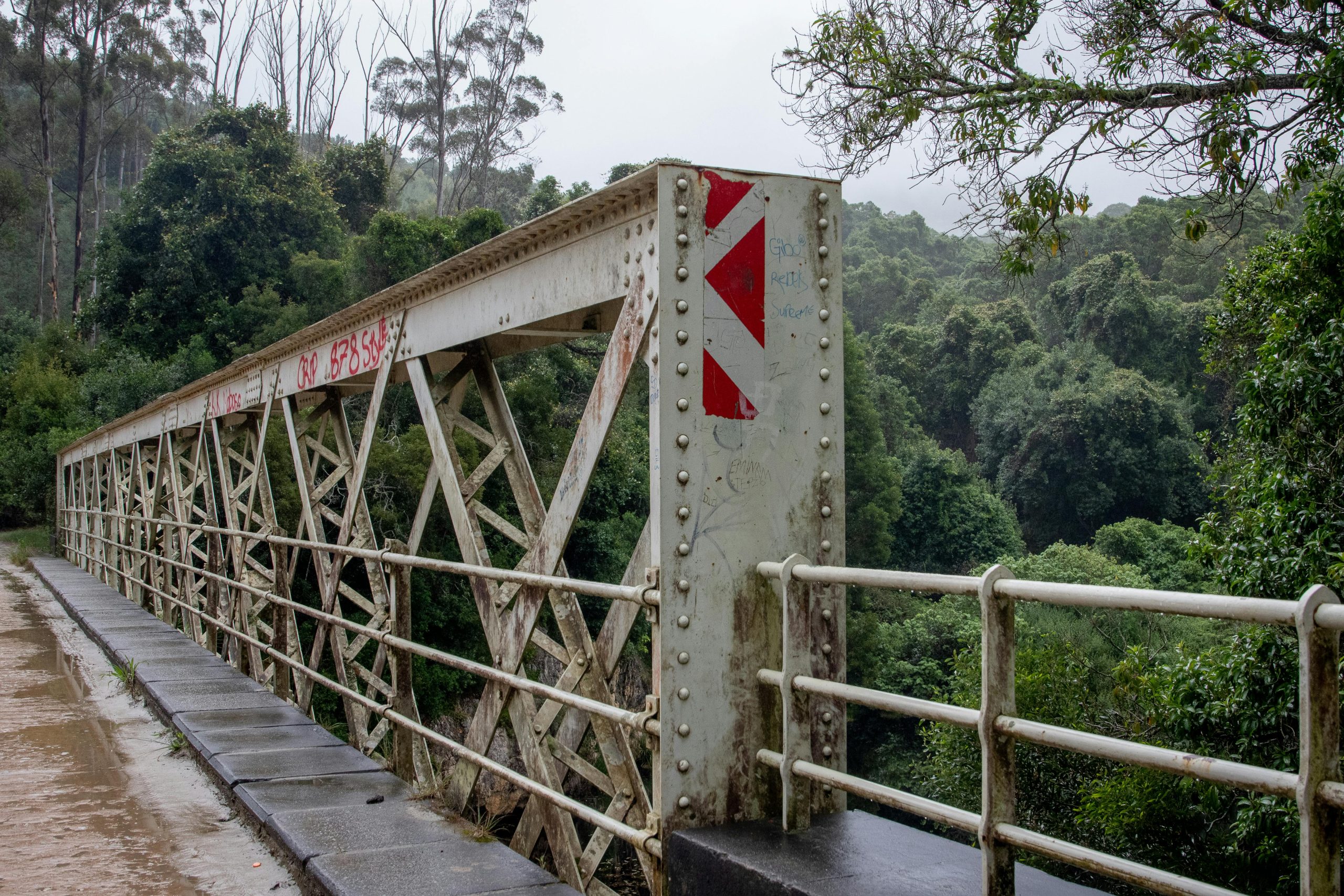
Steel Truss Structures: Reliable & Cost-Effective
Executive Summary
Steel truss structures offer a compelling blend of strength, durability, and cost-effectiveness, making them ideal for a wide range of applications. This comprehensive guide delves into the key aspects of steel truss design, construction, and applications, highlighting their advantages and providing valuable insights for those considering this robust structural solution. From understanding the fundamental principles of truss design to exploring specific applications and addressing common concerns, we aim to equip you with the knowledge necessary to make informed decisions about incorporating steel trusses into your projects. We’ll explore the reasons why steel trusses consistently outperform other structural systems in terms of both longevity and value for money. This guide serves as a definitive resource for anyone interested in learning more about the versatility and enduring appeal of steel truss structures.
Introduction
Steel truss structures are becoming increasingly popular due to their remarkable strength-to-weight ratio, versatility, and cost-effectiveness. These structures, characterized by their triangular framework, efficiently distribute loads, resulting in robust and reliable constructions suitable for various applications, from bridges and roofs to industrial buildings and even temporary structures. Understanding their advantages and limitations is crucial for making informed decisions about their use in various projects. This article will explore the key factors that make steel trusses a preferred choice for many construction projects.
Frequently Asked Questions
Q: What are the main advantages of steel truss structures compared to other building materials?
A: Steel trusses offer superior strength and weight-bearing capacity compared to wood or concrete, often leading to lighter structures and reduced foundation costs. Their prefabricated nature also speeds up construction and reduces on-site labor. Furthermore, steel is incredibly durable and resists many forms of environmental damage, leading to extended lifespans.
Q: How much does a steel truss structure cost?
A: The cost of a steel truss structure varies greatly depending on factors like size, complexity, material grade, and labor costs. However, generally, steel trusses are a very competitive option in terms of overall cost, especially considering their long lifespan and low maintenance needs. Detailed cost estimates should be obtained from structural engineers based on your project’s specific requirements.
Q: What types of maintenance do steel truss structures require?
A: Steel trusses require minimal maintenance, primarily focused on regular inspections for corrosion and damage. A protective coating like paint or galvanizing can significantly extend the structure’s lifespan and reduce the need for frequent repairs. Periodic inspections by qualified professionals are crucial for early detection of any potential issues.
Design Considerations
Steel truss design is a complex process requiring the expertise of structural engineers. The design must account for various factors to ensure the structure’s safety and stability. These structures are engineered with precision, incorporating calculations to manage stress, strain and load distribution.
Load Calculations: Accurate load calculations are paramount, accounting for dead loads (weight of the structure itself) and live loads (occupancy, snow, wind, etc.). Incorrect estimations can lead to structural failure.
Material Selection: Choosing the appropriate steel grade is crucial, considering factors like strength, ductility, and cost. Higher strength grades are generally more expensive but offer greater load-bearing capacity.
Connection Design: The design of connections between truss members is critical for transferring loads effectively. Properly designed connections ensure the integrity of the entire structure.
Stability Analysis: Engineers perform stability analyses to ensure the structure can withstand various loading conditions without buckling or collapsing. This process involves sophisticated modeling and simulations.
Fabrication Tolerances: Steel trusses are often prefabricated, so tolerances in fabrication must be carefully controlled to ensure accurate assembly on-site and to avoid structural imperfections.
Corrosion Protection: Protecting the steel from corrosion is crucial for longevity. Coatings, galvanization, or other protective measures should be considered based on the environmental conditions.
Construction & Erection
The construction process for steel truss structures involves several key stages. Proper planning and execution are vital for a successful project. The careful assembly of the components is key to the structural integrity of the building.
Site Preparation: Thorough site preparation is essential to ensure a level and stable foundation for the structure. This involves excavation, ground compaction, and foundation construction.
Truss Fabrication: Trusses are typically fabricated off-site in a controlled environment, ensuring precision and quality control.
Transportation & Handling: Safe and efficient transportation and handling of fabricated trusses are essential to prevent damage during delivery to the construction site.
Erection: The erection process requires specialized equipment and skilled labor to lift and position the trusses accurately. Safety protocols must be strictly adhered to during this stage.
Connection & Welding: Accurate connection and welding of truss members are crucial for transferring loads effectively. Qualified welders should perform these tasks to ensure the structural integrity of the connections.
Inspection: Regular inspections throughout the construction process are critical to identify and rectify any potential problems promptly. This helps to prevent delays and ensure structural compliance.
Applications of Steel Truss Structures
Steel truss structures find wide applicability across numerous sectors due to their versatility and strength. Their use extends from industrial settings to residential, commercial, and agricultural contexts.
Roof Structures: Steel trusses are extensively used in roofing systems for buildings of all sizes, providing efficient load distribution and spanning large distances.
Bridges: They form the backbone of many bridge designs, effectively supporting heavy loads and spanning significant distances.
Industrial Buildings: Steel trusses are a common choice for industrial buildings, offering strength, durability, and cost-effectiveness.
Agricultural Structures: From barns to greenhouses, steel trusses provide robust and reliable structures for agricultural purposes.
Temporary Structures: Their ease of assembly and disassembly makes them suitable for temporary structures, such as pavilions and stages.
Residential Structures: While less common for the entire residential framework, steel trusses find uses in residential roofs, garages and other outbuildings.
Maintenance & Repair
Regular inspection and timely maintenance are crucial for extending the lifespan of a steel truss structure. Ignoring maintenance can lead to structural issues, ultimately impacting safety and longevity. Understanding maintenance requirements is part of responsible ownership of any steel truss construction.
Inspection Schedule: A regular inspection schedule, ideally annually, is recommended to identify any signs of corrosion, damage, or deterioration. Qualified professionals should conduct these inspections.
Corrosion Prevention: Applying protective coatings (paint, galvanizing) helps prevent corrosion. Regularly check for any signs of rust or paint chipping.
Repair Strategies: Prompt repairs are necessary to address any identified damage. This could involve spot repairs, section replacements, or more extensive structural interventions.
Environmental Factors: Consider environmental factors like humidity, temperature fluctuations, and exposure to corrosive agents when developing a maintenance plan.
Documentation: Maintaining comprehensive documentation of inspections and repairs is crucial for tracking the structure’s condition and informing future maintenance decisions.
- Professional Expertise: Engaging experienced professionals for inspections and repairs ensures the safety and integrity of the structure.
Conclusion
Steel truss structures represent a highly efficient, reliable, and economical solution for a vast array of structural applications. Their strength-to-weight ratio, prefabricated nature, and ease of assembly contribute to faster construction timelines and reduced labor costs. While initial investment might vary, the long-term benefits—including low maintenance requirements and extended lifespan—clearly establish steel trusses as a smart and durable choice for various projects. By understanding the design considerations, construction processes, and maintenance needs, you can leverage the numerous advantages of steel truss structures to create robust and cost-effective constructions. Proper planning, meticulous execution, and regular maintenance will contribute to the longevity and safety of these versatile and reliable structures.