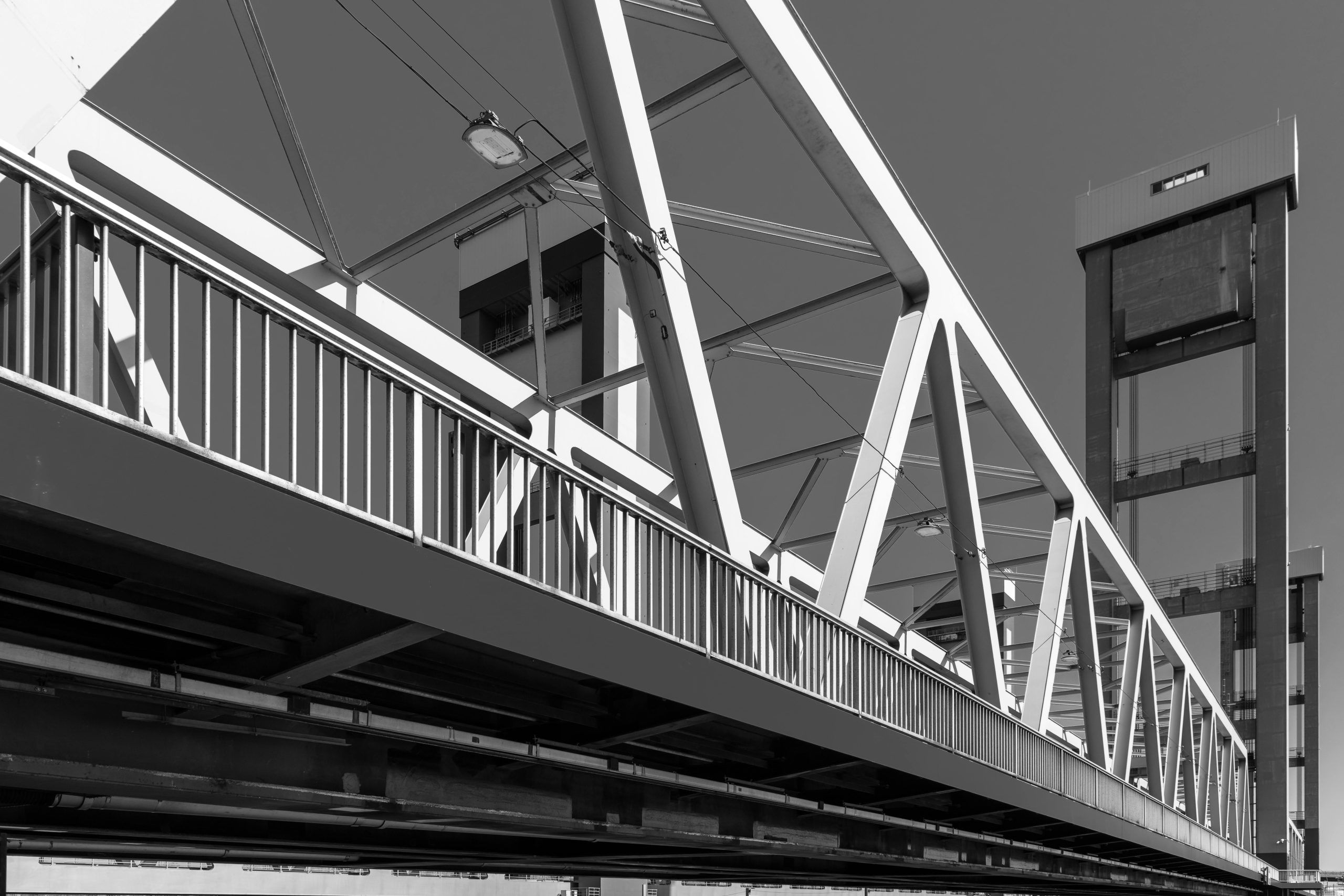
Custom Steel Construction Trusses: Built to Your Specifications
Executive Summary
This comprehensive guide explores the world of custom steel construction trusses, offering invaluable insights for architects, engineers, builders, and anyone involved in structural projects. We’ll delve into the advantages, design process, material selection, installation, and maintenance of these robust and versatile structural elements. Whether you’re building a small residential addition or a large-scale commercial structure, understanding the intricacies of custom steel trusses is crucial for ensuring a successful and long-lasting project. We’ll answer frequently asked questions and highlight key considerations to help you make informed decisions throughout the entire process. This guide is designed to be your go-to resource for all things related to custom steel construction trusses, providing you with the knowledge you need to make the best choices for your project.
Introduction
Steel construction trusses represent a pinnacle of structural engineering, offering unparalleled strength, durability, and design flexibility. Unlike pre-fabricated options, custom steel trusses are engineered to meet the precise specifications of your individual project. This bespoke approach ensures optimal performance, minimizes material waste, and allows for creative design solutions that might not be possible with off-the-shelf alternatives. This guide will walk you through the process, clarifying the advantages and considerations involved in choosing custom steel trusses for your next project.
Frequently Asked Questions
Q: What are the advantages of choosing custom steel trusses over pre-engineered options?
A: Custom steel trusses offer superior design flexibility to accommodate unique architectural designs and load requirements. They also typically result in optimized material usage, reducing waste and cost. Furthermore, custom trusses provide a higher degree of precision and control over the final product.
Q: How long does the design and fabrication process typically take?
A: The timeframe varies depending on the complexity of the project and the manufacturer’s workload. Generally, you can expect the entire process, from initial design consultation to final delivery, to take anywhere from 2 to 8 weeks. It’s crucial to discuss timelines with your chosen fabricator early in the planning stages.
Q: What kind of maintenance do steel trusses require?
A: Steel trusses are remarkably low-maintenance. Regular inspections for signs of corrosion or damage are recommended, especially in harsh environments. A protective coating, such as paint or galvanization, can significantly extend the lifespan of the trusses and prevent rust. Minor repairs, if needed, are typically straightforward.
Design and Engineering
Custom steel trusses aren’t simply slapped together; they’re the product of meticulous design and engineering. This phase is critical to ensure the structural integrity and longevity of your project.
Detailed Load Calculations: Engineers precisely calculate the expected loads on the structure, accounting for factors like snow, wind, and the weight of the building materials. This ensures the trusses are sufficiently strong to support the intended weight.
Material Selection: The choice of steel grade is paramount. Higher-grade steel offers greater strength but can also be more expensive. Engineers select the optimal grade based on the project’s specific load requirements and budget considerations.
Computer-Aided Design (CAD): Modern design utilizes advanced CAD software to create detailed 3D models of the trusses. This allows for precise visualization and analysis, helping to identify potential issues before fabrication begins.
Stress Analysis: Sophisticated software analyzes the stresses on the truss members under various load conditions. This ensures that the design is safe, efficient, and meets all relevant building codes.
Connection Details: The design meticulously specifies how the trusses will be connected to other structural elements. These connections are crucial for transferring loads effectively and ensuring the stability of the entire structure.
Detailed Drawings and Specifications: The final design is documented with highly accurate drawings and specifications that guide the fabrication process. These documents are essential for ensuring consistent quality and accuracy throughout manufacturing and installation.
Material Selection and Fabrication
The choice of steel and the fabrication process are key factors impacting the quality, durability, and cost of custom steel trusses.
Steel Grade Selection: Various steel grades offer different yield strengths, making it vital to select the appropriate grade for the intended load and environmental conditions. Higher yield strength steel often translates to lighter and more cost-effective trusses.
Corrosion Protection: Protecting the steel from corrosion is essential for longevity. Common methods include galvanization (a zinc coating) or painting with specialized rust-inhibiting paints.
Fabrication Process: State-of-the-art fabrication techniques ensure precision and accuracy in cutting, welding, and assembling the truss members. Experienced welders and quality control procedures are crucial to maintain high standards.
Quality Control: Rigorous quality control checks are implemented throughout the fabrication process to ensure compliance with design specifications and building codes. This includes checks for weld integrity, dimensions, and overall structural soundness.
Finishing Touches: Depending on the project’s aesthetic requirements, the finished trusses may undergo additional treatments, such as powder coating, to enhance their appearance and durability.
Installation and Erection
Proper installation is paramount to ensure the structural integrity and longevity of the custom steel trusses.
Site Preparation: Adequate site preparation is crucial, including ensuring a stable foundation and a safe work environment. The exact specifications for site preparation will be dictated by the load calculations and the specific design requirements.
Lifting and Handling: Specialized equipment, such as cranes, is typically necessary to lift and position the trusses accurately. Careful handling prevents damage and ensures safe installation.
Connections: Secure and accurate connections between the trusses and other structural components are vital. Properly sized and installed connectors ensure load transfer and structural stability.
Inspection: Thorough inspections throughout the installation process are crucial to ensure that the trusses are installed correctly and meet the design specifications.
Compliance with Building Codes: All installation procedures must comply with relevant building codes and regulations to ensure the safety and structural integrity of the project.
Maintenance and Longevity
While steel trusses are inherently durable, regular maintenance contributes significantly to their longevity.
Regular Inspections: Periodic inspections help detect any signs of corrosion, damage, or loose connections. These inspections should be conducted according to recommended schedules specified in design documents.
Corrosion Control: Addressing signs of corrosion promptly prevents further deterioration. Repair work may involve cleaning, repainting, or even replacing damaged sections.
Connection Checks: Regular checks ensure that all connections remain tight and secure. Loose connections can compromise structural integrity and should be addressed immediately.
- Environmental Factors: Consider the environmental conditions. If the trusses are exposed to harsh conditions, more frequent inspections and maintenance might be necessary.
Conclusion
Custom steel construction trusses provide a compelling solution for projects demanding strength, durability, and design flexibility. While the initial investment might seem higher than pre-engineered options, the long-term benefits, including optimized material usage, reduced maintenance, and the ability to meet precise project needs, significantly outweigh the initial costs. By understanding the design process, material considerations, installation procedures, and maintenance requirements, you can ensure a successful project and a long-lasting, structurally sound building. Remember to always consult with experienced engineers and contractors to navigate the intricacies of custom steel truss design and implementation.